
Promoting Gender Equality: Empowering Women for a United Africa
Introduction: This article examines the multifaceted relationship between gender equality, women's empowerment, and the socio-economic development of Africa. We will explore key concepts such as gender mainstreaming, the empowerment paradigm, and human capital theory to understand how empowering women contributes to a more unified and prosperous continent. The analysis will delve into various sectors, highlighting the need for integrated strategies that address systemic barriers to gender equality.
The Socio-Economic Contributions of Women: A Reassessment of Human Capital Theory: Traditional economic models often undervalue women's contributions to the economy, neglecting unpaid care work and overlooking the limitations imposed by gender inequalities. However, a nuanced application of human capital theory reveals the significant economic potential unlocked when women have equal access to education, resources, and opportunities. Studies consistently demonstrate that investing in women's education and entrepreneurship leads to increased productivity, innovation, and overall economic growth. This is not merely a matter of fairness; it is a strategic imperative for African nations seeking sustainable development. The concept of gender mainstreaming is crucial here, ensuring that women's needs and perspectives are integrated into all aspects of policy and program design.
Education as a Catalyst for Empowerment: Education acts as a crucial cornerstone for women's empowerment. Empowerment, in this context, refers to the process by which women gain control over their lives and acquire the agency to shape their destinies. Equal access to quality education empowers women to participate more fully in the economy, improve their health outcomes, and engage more effectively in civic and political processes. Furthermore, educated women tend to have healthier families and are more likely to advocate for their children's education. This creates a virtuous cycle of empowerment that benefits entire communities. The application of the social capital theory here illustrates how educated women can build stronger networks and access more opportunities, leading to enhanced social mobility and overall development.
Challenging Gender Stereotypes and Promoting Inclusive Representation: Deep-seated gender stereotypes often limit women's aspirations and opportunities. These stereotypes, reinforced by cultural norms and social structures, are obstacles to true gender equality. To overcome these barriers, a deliberate strategy of challenging harmful norms and promoting positive female role models across various sectors is necessary. This involves utilizing media campaigns, educational programs, and policy interventions to foster a more inclusive and equitable societal environment. The social construction of gender highlights the importance of shifting societal perceptions of gender roles, leading to a more equitable distribution of power and resources.
Prioritizing Health and Well-being: A Foundation for Empowerment: Access to quality healthcare services, including reproductive health and maternal care, is paramount for women's empowerment. Improving women's health is not only a matter of human rights but also a vital investment in human capital and economic development. Reduced maternal mortality rates, improved reproductive health, and increased life expectancy translate to increased economic productivity and social progress. This links directly to the concept of health capital— recognizing that health is a crucial form of capital, contributing to productivity and overall well-being.
Regional Collaboration and the Importance of Pan-African Solidarity: Gender equality cannot be achieved in isolation. Collaboration and knowledge-sharing among African nations are crucial for effective policy implementation and resource mobilization. Regional partnerships can facilitate the exchange of best practices, strengthen institutional capacity, and create a stronger support system for women’s empowerment initiatives. This collaborative approach aligns with the principles of global citizenship, promoting cooperation and mutual benefit among African states.
Investing in Youth: Nurturing Future Leaders: Empowering young people, particularly young girls, is essential for fostering a more equitable and prosperous future for Africa. Early childhood development programs, access to quality education, and opportunities for skill development are all crucial components of a holistic approach to youth empowerment. Investing in this generation ensures that the principles of gender equality are embedded in the fabric of African society, leading to transformative change across all aspects of life. This approach aligns with developmental psychology principles, emphasizing the importance of early childhood development and its lasting impact on individual capabilities and societal progress.
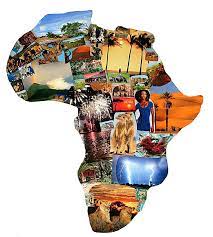
Celebrating Diversity, Fostering Unity: Africa's rich diversity is a source of strength and should be celebrated as a unifying factor. Acknowledging and respecting the cultural diversity of African societies is crucial to developing inclusive policies and programs that address the specific needs and challenges faced by women in different contexts. This approach necessitates a culturally sensitive approach to empowerment programs, avoiding generalizations and instead creating tailored interventions that reflect local needs and realities.
Conclusion and Recommendations: Promoting gender equality is not merely a matter of social justice; it is a critical pathway to economic development and social progress in Africa. By fostering policies that address systemic inequalities and empower women, Africa can unlock its full potential. Recommendations include investing heavily in girls' education, promoting women's entrepreneurship, ensuring access to healthcare services, and challenging harmful gender stereotypes. Furthermore, fostering regional collaboration, investing in youth development, and celebrating cultural diversity will be essential for achieving lasting progress. Future research should focus on evaluating the effectiveness of different empowerment interventions across diverse African contexts and exploring the long-term impact of women's empowerment on various aspects of development, particularly concerning economic indicators, political participation, and social well-being. This will require interdisciplinary collaboration to understand the complex interactions between gender, development, and culture.
Reader Pool: Considering the interconnectedness of gender equality, economic development, and political stability in Africa, what are the most promising strategies for achieving significant progress within the next decade?

No comments yet. Be the first to share your thoughts!