
Navigating the Perimenopausal Transition: A Holistic Approach to Well-being
Perimenopause, the transitional phase preceding menopause, marks a significant hormonal shift in women typically between their late 30s and early 50s. Characterized by fluctuating estrogen and progesterone levels, this period can present a diverse range of physiological and psychological challenges. Understanding this complex process, applying relevant health models, and implementing evidence-based strategies are crucial for successful navigation. This article will explore a comprehensive approach to managing perimenopausal symptoms, emphasizing the interplay between biological, psychological, and social factors. Key concepts such as the Biopsychosocial Model, the Stress-Diathesis Model, and principles of self-efficacy will be applied throughout the discussion.
1. Understanding the Physiological Manifestations of Perimenopause: Perimenopause is not a singular event but a prolonged transition characterized by irregular menstrual cycles, often reflecting the ovarian follicle's erratic response to hormonal stimulation. This fluctuation can trigger a cascade of symptoms. These encompass vasomotor symptoms, such as hot flashes and night sweats (directly related to hormonal shifts), alongside broader systemic changes influencing mood regulation (potentially linked to neurotransmitter imbalances stemming from hormonal fluctuations), sleep patterns (potentially impacted by hormonal shifts affecting sleep architecture), and libido (influenced by hormonal changes affecting neuroendocrine pathways). The intensity and duration of symptoms are highly individualized, reflecting genetic predispositions, lifestyle factors, and prior health conditions.
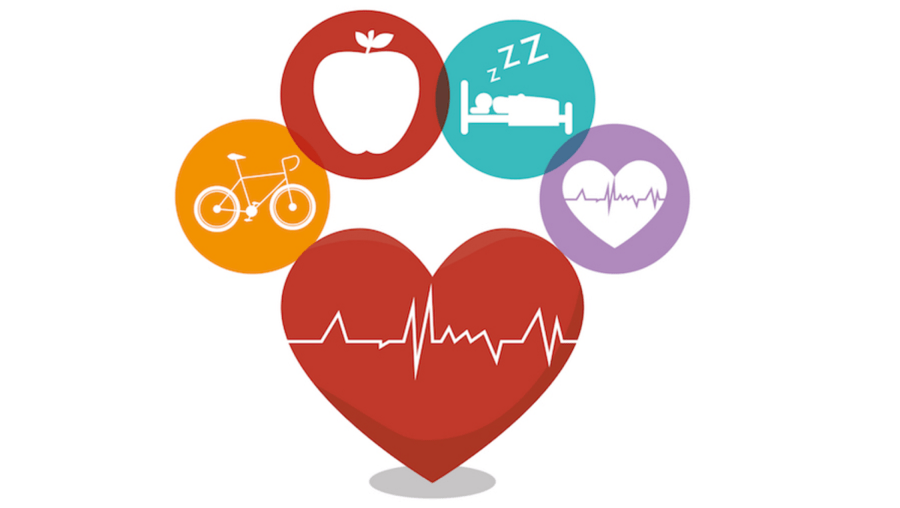
2. Adopting a Proactive Lifestyle Management Strategy: The adoption of a holistic health strategy is paramount. This aligns with the Biopsychosocial Model, which emphasizes the interconnectedness of biological, psychological, and social factors influencing health and well-being. A balanced diet rich in phytoestrogens and antioxidants (crucial for mitigating hormonal imbalances) combined with regular physical activity (positively impacting mood regulation and cardiovascular health) and sufficient sleep (critical for physiological restoration and stress management) can significantly ameliorate symptoms. Stress management techniques, informed by the Stress-Diathesis Model, are equally crucial; chronic stress exacerbates hormonal imbalances and weakens the body's resilience. Techniques such as mindfulness meditation, yoga, or cognitive behavioral therapy (CBT) can effectively reduce stress levels.
3. Leveraging Social Support and Professional Guidance: Social support networks act as a vital buffer against the emotional challenges of perimenopause. Sharing experiences with trusted friends, family, or joining support groups can foster a sense of community and reduce feelings of isolation. Seeking professional medical attention is essential, particularly for managing severe symptoms. A healthcare professional can conduct a thorough evaluation, assess symptom severity, and offer personalized recommendations, potentially involving hormone replacement therapy (HRT) – a treatment option proven effective for mitigating severe vasomotor symptoms. The decision regarding HRT should involve careful consideration of individual risk profiles, weighing potential benefits against risks.
4. Embracing Self-Efficacy and Positive Coping Mechanisms: Self-efficacy, the belief in one's capacity to manage challenges, plays a crucial role in navigating perimenopause successfully. Promoting self-efficacy through education, goal setting, and positive self-talk is essential. Implementing self-care practices that enhance overall well-being, such as engaging in enjoyable hobbies, practicing relaxation techniques, or pursuing creative outlets, is highly beneficial. Maintaining a positive outlook and focusing on personal growth can greatly improve the experience of this life transition. The integration of these strategies aims to build resilience and improve one’s capacity to cope effectively with the physiological and psychological changes associated with perimenopause.
5. Educating and Advocating for Improved Understanding: Raising awareness about perimenopause is critical in dispelling myths and reducing the stigma surrounding this natural life stage. Open communication with loved ones fosters understanding and support, while public education initiatives can help create a more empathetic and informed societal response. This increased awareness also supports medical professionals in better addressing this widespread health concern.
Conclusions and Recommendations
Perimenopause, while a natural biological process, presents significant challenges impacting physical and mental health. A multi-faceted approach, integrating lifestyle modifications, stress management techniques, and access to professional healthcare, is essential for navigating this transition effectively. The biopsychosocial model highlights the need for comprehensive assessment, addressing the interplay of biological, psychological, and social factors. Interventions should prioritize self-efficacy enhancement, and social support mobilization. Further research is needed to refine personalized treatment strategies, taking into account individual variations in symptom presentation and response to interventions. Long-term prospective studies examining the effectiveness of various interventions are critical to inform best practices and enhance healthcare provision for women undergoing perimenopause. Addressing the knowledge gap regarding perimenopause through public health initiatives and increased accessibility to evidence-based information is also crucial for empowering women and optimizing their health outcomes during this significant life stage.
Reader Pool: Considering the multifaceted nature of perimenopause, what additional strategies, beyond those discussed, could effectively enhance women's well-being during this transition?



No comments yet. Be the first to share your thoughts!