
Prioritizing Mental and Emotional Well-being: A Holistic Approach to Balanced Living
In contemporary society, characterized by its frenetic pace and relentless demands, the pursuit of holistic well-being often necessitates a conscious prioritization of mental and emotional health. This article explores the multifaceted nature of mental and emotional well-being, drawing upon established psychological principles and models such as the biopsychosocial model, which emphasizes the interconnectedness of biological, psychological, and social factors in influencing health outcomes. We will examine practical strategies for cultivating mental resilience and emotional equilibrium, grounding our discussion in the context of self-compassion, stress management, and the cultivation of positive psychological states. Key concepts such as self-efficacy (one’s belief in their ability to succeed in specific situations), mindfulness, and social support will be central to our analysis.
Cultivating Self-Compassion and Self-Efficacy: The cornerstone of effective mental health management lies in fostering self-compassion, treating oneself with the same kindness and understanding one would offer a close friend. This involves recognizing and accepting imperfections, practicing self-forgiveness, and cultivating a sense of self-acceptance. Concurrent with this is building self-efficacy, a belief in one’s capacity to manage challenges effectively. This is developed through setting achievable goals, breaking down large tasks into manageable steps, and celebrating small victories along the way. This aligns with Bandura's social cognitive theory, which highlights the role of self-belief in shaping behavior and outcomes.
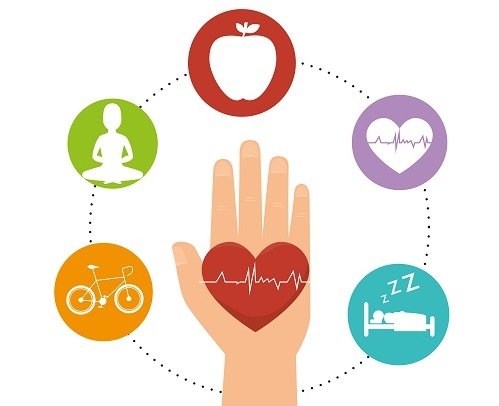
Establishing Healthy Boundaries and Prioritizing Self-Care: Setting firm boundaries is crucial for protecting one's mental and emotional energy. This involves learning to say "no" to requests that conflict with one's well-being or personal values. Regular engagement in self-care activities—such as exercise, mindful meditation, or spending time in nature—serves as a proactive strategy for stress reduction and emotional regulation. This is rooted in the concept of stress inoculation training, a preventative approach to managing stress by building coping skills.
Leveraging Social Support Networks and Fostering Positive Relationships: Human connection plays a pivotal role in promoting mental and emotional health. Surrounding oneself with supportive, positive individuals who offer empathy and understanding creates a protective buffer against stress and enhances resilience. The strength of these social connections is directly related to improved mental and emotional outcomes, as supported by research on social support and its impact on well-being.
Optimizing Sleep Hygiene and Physical Well-being: Adequate sleep is a fundamental pillar of holistic health. Aiming for 7-8 hours of quality sleep per night promotes physical restoration and enhances cognitive function, indirectly bolstering mental and emotional well-being. Moreover, prioritizing physical health through balanced nutrition and regular physical activity significantly influences mental health. This aligns with the biopsychosocial model, demonstrating the intricate interplay between physical and mental health.
Implementing Effective Stress Management Techniques: Chronic stress poses a significant threat to mental and emotional well-being. Implementing effective stress management strategies, such as mindfulness meditation, deep breathing exercises, or progressive muscle relaxation, serves as a powerful tool for mitigating stress-related symptoms and enhancing emotional regulation. These techniques facilitate the activation of the parasympathetic nervous system, counteracting the physiological effects of stress.
Mindful Digital Detoxification: Excessive technology use can contribute to stress, anxiety, and sleep disturbances. Implementing regular periods of disconnection from screens and social media allows for mental restoration and reduces the potential for negative psychological impacts associated with constant digital stimulation. The concept of digital well-being underscores the importance of mindful technology use.
Harnessing the Power of Gratitude and Positive Psychology: Practicing gratitude, reflecting upon and appreciating positive aspects of one's life, enhances positive emotions and improves overall well-being. This aligns with positive psychology principles that emphasize the cultivation of strengths and positive emotions to foster resilience and psychological flourishing.
Seeking Professional Guidance When Needed: Should individuals experience persistent challenges with their mental or emotional health, seeking professional support from a mental health professional is essential. Therapy and other evidence-based interventions can provide guidance, support, and coping mechanisms tailored to individual needs.
Goal Setting and Achievement: Setting realistic and achievable goals promotes a sense of accomplishment and self-efficacy. Breaking down large objectives into smaller, manageable steps minimizes feelings of overwhelm and fosters a sense of progress and positive reinforcement.
Self-Reflection and Personal Growth: Regularly engaging in self-reflection provides valuable insight into one's thoughts, emotions, and behaviors. This introspective process facilitates self-awareness and identifies areas for personal growth and development.
Celebrating Successes: Acknowledging and celebrating achievements, no matter how small, enhances self-esteem and reinforces positive self-perception, motivating continued prioritization of mental and emotional well-being. This relates to the concept of reinforcement and its impact on behavior.
Conclusions and Recommendations
Prioritizing mental and emotional well-being is not a mere lifestyle choice, but a fundamental component of holistic health and overall quality of life. The strategies outlined above, grounded in psychological principles and models, provide a practical framework for cultivating mental resilience and emotional equilibrium. Further research should explore the efficacy of integrating these strategies within diverse cultural contexts and across different demographics. The integration of these strategies into workplace wellness programs and educational curricula could have a transformative impact on individual and community well-being. Longitudinal studies are needed to assess the sustained effects of these interventions on various aspects of mental health and life satisfaction. A multidisciplinary approach involving psychologists, healthcare professionals, educators, and community leaders is essential for creating a supportive environment that fosters the prioritization of mental and emotional well-being.
Reader Pool: What specific challenges do you encounter in integrating these well-being strategies into your daily life, and what potential solutions or adaptations could make these practices more accessible and sustainable?




No comments yet. Be the first to share your thoughts!