
Navigating the Complexities of Migration and Border Management in the Americas: A Path Towards Collaborative Solutions
The transborder movement of people in the Americas presents a multifaceted challenge requiring innovative and collaborative solutions. This dynamic necessitates a unified pan-American approach, acknowledging migration's significant impact on regional stability, economic prosperity, and international relations. This article analyzes contemporary issues shaping migration and border management, emphasizing the urgent need for integrated strategies and collaborative partnerships. Key concepts explored include the New World Information Order (NWIO) framework for international cooperation, the push-pull theory of migration, the principle of burden-sharing in international relations, and the concept of sustainable development goals (SDGs) as applied to migration.
1. Understanding the Dynamics of Migration Flows: Recent years have witnessed a surge in migration within the Americas, driven by a complex interplay of factors. The push-pull theory of migration helps explain this phenomenon, highlighting factors such as economic disparities (push factors) in sending countries and perceived opportunities (pull factors) in receiving countries. These are further compounded by political instability, climate change impacts (environmental refugees), and violence, resulting in significant challenges for receiving nations. A collaborative, evidence-based response using robust data analysis is paramount.
2. Enhancing Border Security and Management Through Collaboration: While effective border security remains crucial, a purely security-centric approach is insufficient. A successful strategy requires a collaborative approach, encompassing information sharing, intelligence cooperation, and the adoption of best practices among North and South American nations. This collaborative framework, informed by the principles of the NWIO, enables safe and orderly movement while enhancing national security. The distribution of responsibilities and resources based on capacity aligns with the principle of burden-sharing, a cornerstone of effective multilateralism.
3. Establishing and Expanding Legal Migration Pathways: Creating and expanding legal migration channels is critical. Streamlining immigration processes, facilitating family reunification, and developing labor mobility programs that meet the needs of both sending and receiving countries significantly reduce irregular migration and protect vulnerable populations. This approach aligns with the principles of sustainable development, promoting human capital mobility and economic growth in accordance with the SDGs.
4. Prioritizing Human Rights and Combating Trafficking: Human rights must be central to all migration policies. Collaborative efforts must guarantee access to essential services (healthcare, education, legal aid) for all migrants. Simultaneously, a unified, cross-border effort is crucial to combat human trafficking and smuggling, reflecting a commitment to international humanitarian law.
5. Addressing Root Causes Through Regional Development Initiatives: Sustainable solutions necessitate tackling the root causes of migration. This requires collaborative initiatives focusing on poverty reduction, inequality reduction, and conflict resolution. Joint development programs, informed by the SDGs, are vital in addressing these complex issues, fostering economic opportunity in sending countries and reducing the pressure to migrate.
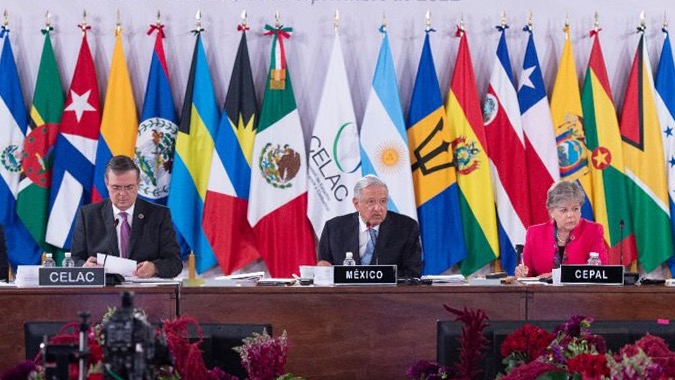
6. Leveraging Regional Integration Mechanisms: Regional integration initiatives, such as the USMCA and other regional organizations, provide a framework for enhanced cooperation. Harmonizing policies, sharing resources, and aligning standards lead to a more coordinated and effective response. This collaborative approach is crucial to tackling transboundary migration challenges efficiently.
7. Fostering Knowledge Sharing and Best Practices: The exchange of knowledge, experiences, and best practices among nations is crucial. This collaborative learning process improves policy development, border management, and the overall effectiveness of migration management strategies. The sharing of data and best practices strengthens national capacity and fosters mutual learning, aligning with the principles of the NWIO.
8. Strengthening International Partnerships: Collaboration with international organizations like the UN and the IOM is critical. These organizations offer technical assistance, capacity building, and crucial coordination support, enhancing national efforts and aligning with international norms and standards.
9. Recognizing and Maximizing the Economic Benefits of Migration: Migration can be an engine for economic growth. Policies should be designed to maximize these benefits, fostering inclusive growth and promoting economic opportunities for all, aligning with the SDGs' focus on economic growth and reduced inequalities.
10. Promoting Social Cohesion and Combating Xenophobia: Building inclusive societies that value diversity and reject xenophobia is essential. Promoting social cohesion and the well-being of migrants requires challenging prejudice and fostering mutual understanding through targeted public awareness campaigns.
11. Addressing Climate Change as a Driver of Migration: Climate change is an emerging driver of migration. Addressing its impact requires collaborative climate adaptation and mitigation strategies to reduce displacement and provide support to climate migrants. This involves integrating climate considerations into migration policies and development plans.
12. Implementing Data-Driven Decision Making: Accurate data is fundamental for evidence-based policymaking. Joint data collection, analysis, and sharing initiatives are crucial for understanding migration trends and patterns, informing evidence-based policy development and resource allocation.
13. Investing in Modern Border Infrastructure: Strategic investments in modernizing border infrastructure improve efficiency and security. Collaboration on upgrading facilities, implementing advanced technologies, and promoting interoperability among systems is essential for efficient and secure border management.
14. Enhancing Public Awareness and Education: Combating misinformation and fostering informed public discourse is vital. Public awareness campaigns can dispel harmful myths, promoting empathy and understanding towards migrants. This improves social cohesion and reduces the likelihood of conflict.
15. Strengthening Expertise in International Relations and Diplomacy: Cultivating expertise in international relations is essential for facilitating constructive dialogue, forging partnerships, and developing policies that promote regional cooperation. A strong understanding of international law and diplomacy is crucial for effective engagement with international actors.
Conclusion and Recommendations: A collaborative approach to migration management in the Americas is not just desirable but essential for achieving sustainable and equitable outcomes. By embracing a pan-American framework grounded in international cooperation, burden-sharing, human rights, and the SDGs, the region can effectively manage migration flows, maximize their benefits, and address the associated challenges. Further research should focus on developing robust methodologies for measuring the effectiveness of collaborative initiatives, exploring innovative financing mechanisms for regional development programs, and enhancing the capacity of national institutions to participate in cross-border cooperation. The implementation of these recommendations will require a sustained commitment from all stakeholders, fostering a more just and equitable future for all.
Reader Pool: Considering the complexities outlined, what further strategies beyond those discussed would you propose for enhancing regional cooperation in addressing the multifaceted challenges of migration in the Americas?


No comments yet. Be the first to share your thoughts!