
Prioritizing Women's Mental Wellness: A Call to Action
This article addresses the critical issue of women's mental health, exploring its multifaceted challenges and proposing a comprehensive strategy for improvement. We will define key concepts such as mental wellness, gender-based disparities in mental healthcare access, and the biopsychosocial model, which frames mental health as an interplay of biological, psychological, and social factors. We will then explore how these factors interact to impact women's mental well-being, and propose evidence-based interventions to promote positive change.
The biopsychosocial model provides a framework for understanding the complex interplay of factors contributing to women's mental health challenges. Biological factors such as hormonal fluctuations and genetic predispositions interact with psychological factors like stress coping mechanisms and self-esteem, and social factors such as societal expectations, gender-based violence, and economic inequality. The cumulative effect of these interacting factors can create significant mental health strain, leaving many women feeling isolated and struggling in silence. This aligns with the concept of the social determinants of health, which highlights the profound influence of societal structures on health outcomes.
Addressing the pervasive stigma surrounding mental health is paramount. The self-stigma experienced by women, coupled with societal misconceptions, often prevents help-seeking behaviors. Applying the Health Belief Model, we must focus on increasing perceived susceptibility to mental health issues, the perceived severity of their consequences, and the perceived benefits of seeking help while simultaneously reducing barriers to accessing mental health services. Educational campaigns, utilizing both traditional and social media, will be crucial in disseminating accurate information and promoting a culture of understanding and support.
Equitable access to high-quality and affordable mental healthcare services is crucial. Addressing the disparity in access based on socioeconomic status requires collaborative efforts between governmental agencies, healthcare providers, and non-profit organizations. This aligns with principles of health equity, which emphasizes the need to ensure fair opportunities to achieve optimal health for all women, regardless of their background. Implementing strategies such as telehealth, mobile mental health units, and community-based mental health programs can effectively bridge the gap in access.
Empowering women to proactively manage their mental well-being is a critical step. This can be achieved through comprehensive education programs focused on stress management techniques, mindfulness practices, and healthy lifestyle choices. The Transtheoretical Model of Change (Stages of Change) provides a roadmap for guiding women through the process of adopting and maintaining healthy behaviors, progressing from precontemplation to maintenance. These programs should incorporate evidence-based interventions such as Cognitive Behavioral Therapy (CBT) and Acceptance and Commitment Therapy (ACT) to equip women with coping skills and resilience.
Building strong support networks is vital. This involves fostering supportive relationships with family, friends, and communities. The Social Support Theory underscores the importance of social connections in buffering against stress and promoting mental wellness. Creating safe spaces for women to share their experiences and access peer support groups can significantly enhance their coping mechanisms and sense of belonging. Community-based initiatives, workshops, and online forums can facilitate the development of these crucial support systems.
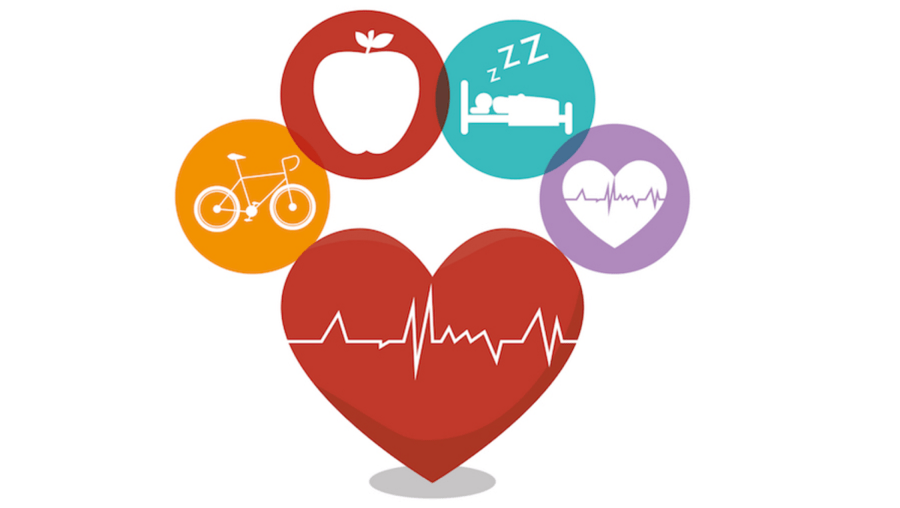
The integration of physical and mental healthcare is also essential. Promoting holistic well-being requires recognizing the profound interconnectedness between physical and mental health. This aligns with the holistic health paradigm, focusing on the interconnectedness of mind, body, and spirit. Integrating mental health services into primary care settings, encouraging regular exercise, and promoting healthy lifestyle choices can improve overall well-being and reduce the burden of mental illness.
Finally, early intervention is paramount. Recognizing warning signs, such as persistent sadness, changes in sleep patterns, or withdrawal from social activities, is crucial for timely intervention. Encouraging women to seek professional help is not a sign of weakness but rather an act of self-care. The principles of harm reduction and early intervention emphasize minimizing the negative consequences of mental health issues and promoting timely access to effective treatment.
Conclusions and Recommendations
In conclusion, addressing the mental health needs of women requires a multi-pronged approach encompassing the reduction of stigma, improvement in access to care, empowerment through education and self-care strategies, and fostering strong support networks. Recommendations include the implementation of comprehensive national mental health strategies that address the unique challenges faced by women, investing in culturally sensitive and accessible mental health services, and promoting research on effective interventions tailored to the specific needs of diverse women's populations. The impact of these initiatives would be a reduction in the burden of mental illness, increased help-seeking behaviors, and improved overall well-being for women. The applicability of these recommendations extends to various healthcare settings, community organizations, and policy-making levels. Further research should focus on evaluating the effectiveness of specific interventions, exploring the role of cultural factors in shaping mental health experiences, and developing innovative approaches to address the complex interplay of factors contributing to women's mental health challenges. A longitudinal study exploring the long-term effectiveness of a multi-faceted approach that integrates the concepts discussed in this paper is strongly recommended.
Reader Pool: Considering the multifaceted nature of women's mental health challenges, what innovative strategies could be implemented to improve the effectiveness and accessibility of mental healthcare services while simultaneously addressing the root causes of these challenges?





No comments yet. Be the first to share your thoughts!