
Prioritizing Well-being: A Holistic Approach to Self-Care
In contemporary society, characterized by relentless demands and pervasive stressors, neglecting personal well-being is a prevalent phenomenon. However, self-care is not merely a luxury; it constitutes a fundamental pillar of holistic health, encompassing psychological, physiological, and spiritual dimensions. This article presents fifteen evidence-based strategies for cultivating self-care, emphasizing the integration of practical techniques with opportunities for creative self-expression and personal growth. We will explore these strategies through the lens of relevant psychological and physiological models, illustrating their application in real-life contexts.
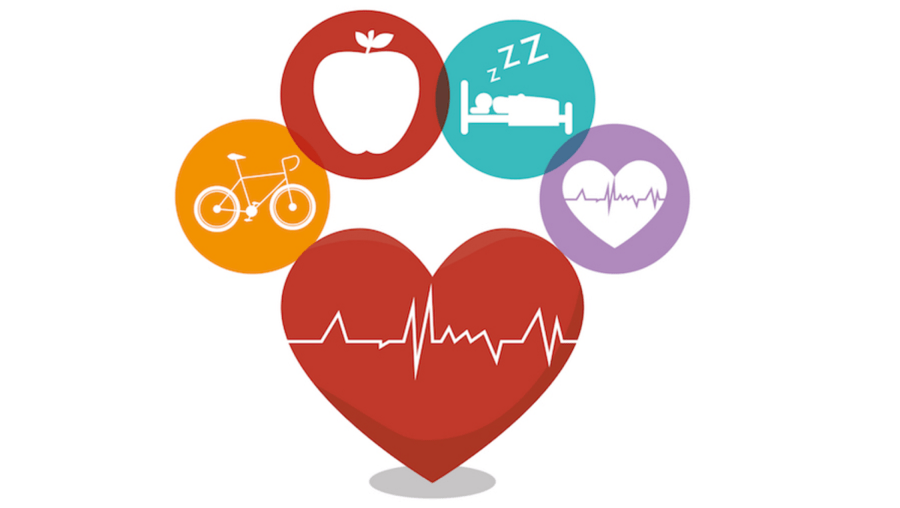
1. Physical Fitness and the Biopsychosocial Model: Regular physical activity is crucial. Engaging in enjoyable exercises such as yoga, cycling, or dance aligns with the biopsychosocial model, which posits that health outcomes are determined by the interplay of biological, psychological, and social factors. Exercise influences all three: physically improving cardiovascular health, psychologically boosting mood through endorphin release, and socially facilitating interaction through group fitness activities. The incorporation of regular physical activity contributes significantly to overall well-being.
2. Nature's Restorative Effects and Attention Restoration Theory: Reconnecting with nature through activities like walking in parks or gardening is supported by Attention Restoration Theory (ART). ART suggests that exposure to natural environments helps restore depleted attentional resources, reducing stress and enhancing cognitive function. The calming influence of nature provides a much-needed respite from the constant demands of modern life, promoting psychological well-being.
3. Creative Expression and Self-Actualization: Engaging in creative pursuits such as painting, writing, or music aligns with Maslow's Hierarchy of Needs, specifically the need for self-actualization – the realization of one's full potential. Creative activities foster self-discovery, emotional expression, and a sense of accomplishment, contributing to a more fulfilling and meaningful life.
4. Mindfulness Meditation and Stress Reduction: Daily mindfulness meditation, focusing on breath and present moment awareness, is a powerful technique for stress reduction. Numerous studies demonstrate the efficacy of mindfulness in reducing anxiety and improving emotional regulation. This practice helps cultivate emotional resilience and enhances overall psychological well-being.
5. Sleep Hygiene and Cognitive Function: Prioritizing restful sleep (7-8 hours) is critical for optimal cognitive function and emotional regulation. Sleep deprivation negatively impacts mood, cognitive performance, and immune function. Establishing a consistent sleep schedule and practicing good sleep hygiene is a fundamental aspect of self-care.
6. Lifelong Learning and Cognitive Stimulation: Engaging in continuous learning through reading or other intellectual pursuits stimulates cognitive function and promotes mental agility. Cognitive stimulation helps prevent cognitive decline and contributes to a sense of intellectual vitality, enhancing overall well-being.
7. Social Support and the Social Support Theory: Nurturing social connections is vital for emotional well-being. The Social Support Theory emphasizes the importance of social relationships in providing emotional buffering, reducing stress, and enhancing overall health. Maintaining strong social connections promotes a sense of belonging and reduces feelings of isolation.
8. Nutrition and Physical Health: A balanced diet rich in fruits, vegetables, whole grains, and lean proteins, combined with adequate hydration, supports optimal physiological functioning. Nutrition plays a vital role in energy levels, immune function, and overall physical health, directly impacting well-being.
9. Self-Pampering and Stress Management: Self-pampering activities, such as aromatherapy or massage, activate the relaxation response, reducing stress and promoting a sense of well-being. These activities provide opportunities for relaxation and rejuvenation, counteracting the negative effects of stress.
10. Self-Awareness and Emotional Intelligence: Practicing consistent self-awareness involves regularly checking in with one’s thoughts, emotions, and physical sensations. This aligns with the concept of emotional intelligence, enabling individuals to understand and manage their emotions effectively. Increased self-awareness leads to greater emotional regulation and improved coping mechanisms.
11. Journaling and Emotional Processing: Journaling provides a valuable outlet for processing emotions and thoughts. The act of writing allows for reflection, self-discovery, and emotional release, fostering improved mental clarity and emotional well-being.
12. "Me Time" and Self-Compassion: Scheduling dedicated "me time" demonstrates self-compassion, recognizing the importance of rest and rejuvenation. This time allows for engagement in enjoyable activities, promoting relaxation and stress reduction, ultimately enhancing overall well-being.
13. Deep Breathing and the Autonomic Nervous System: Deep breathing exercises directly influence the autonomic nervous system, shifting from a state of sympathetic arousal (stress response) to parasympathetic dominance (relaxation response). This technique offers a readily available and effective method for managing stress and promoting relaxation.
14. Music and Mood Regulation: Music has a demonstrable impact on mood and emotional state. Listening to uplifting music can elevate mood and reduce feelings of stress and anxiety, providing a simple yet effective tool for mood regulation.
15. Seeking Professional Support: Accessing professional help from therapists or counselors is a sign of strength, not weakness. Professional support offers guidance and tools for managing mental health challenges, enhancing coping mechanisms, and improving overall well-being.
Conclusions and Recommendations: Self-care is not a selfish pursuit; it is a fundamental necessity for a balanced and fulfilling life. By implementing these evidence-based strategies and adopting a holistic approach to well-being, individuals can experience significant improvements in their overall quality of life. Future research could explore the long-term impacts of integrating these practices into various life stages and cultural contexts. The development of tailored self-care interventions based on individual needs and preferences would also contribute significantly to enhancing well-being on a population level. The applicability of these strategies extends across diverse populations, emphasizing the universal importance of prioritizing personal well-being.
Reader Pool: Considering the presented self-care strategies, what additional factors might contribute to a comprehensive and personalized approach to well-being, and how might these be incorporated effectively into individual lifestyles?


No comments yet. Be the first to share your thoughts!