
Understanding Food Additives and Preservatives: A Comprehensive Guide
Food additives and preservatives are ubiquitous in the modern food supply. This comprehensive guide demystifies these substances, exploring their roles, safety, and impact on our health and choices.
What are Food Additives and Preservatives?
Food additives are substances intentionally added to food during processing or preparation. Their purposes are diverse, including enhancing taste, texture, appearance, and extending shelf life. Preservatives, a specific subset of additives, primarily function to inhibit spoilage and extend the food's longevity, reducing the risk of foodborne illnesses.
Why are Food Additives and Preservatives Necessary?
These substances play a crucial role in maintaining food quality and safety. They combat bacterial growth, oxidation, and spoilage, ensuring food remains palatable and safe for consumption over a longer period. This is particularly vital for transporting and distributing food across vast distances.
Common Types of Food Additives and Preservatives
A vast array of additives exists, each serving a unique purpose. Some common examples include:
- Artificial Sweeteners: Aspartame and sucralose, employed in sugar-free products.
- Coloring Agents: Tartrazine and cochineal extract, enhancing the visual appeal of food.
- Antioxidants: Ascorbic acid (Vitamin C), preventing the oxidation of fats and oils, maintaining freshness and color.
- Emulsifiers: Lecithin and mono- and diglycerides, stabilizing and homogenizing food products, ensuring a consistent texture.
- Preservatives: Sodium benzoate and potassium sorbate, inhibiting the growth of bacteria and fungi, extending shelf life and preventing spoilage.
Are Food Additives and Preservatives Safe?
Government agencies worldwide rigorously regulate the use of food additives and preservatives to ensure safety. Extensive testing precedes approval, guaranteeing they meet stringent health standards. However, individual sensitivities or allergies can exist, emphasizing the importance of checking food labels for any potential allergens or ingredients causing concern.
Health Impacts of Food Additives and Preservatives
While concerns regarding potential negative health effects exist, substantial scientific research demonstrates that moderate consumption within recommended limits poses minimal health risks. However, maintaining a balanced diet and avoiding excessive consumption of heavily processed foods remains crucial.
Natural vs. Synthetic Additives
Additives originate from both natural and synthetic sources. Natural additives are derived from plants, animals, or minerals, while synthetic additives are chemically produced. The safety of both types hinges on meeting established safety regulations and standards.
Identifying Additives on Food Labels
Understanding food labels is vital for informed consumer choices. Additives are listed by their specific names or E-numbers (European Union assigned codes for approved additives). Familiarizing oneself with these designations empowers consumers to make conscious decisions about their food intake.
Minimizing Additive Intake
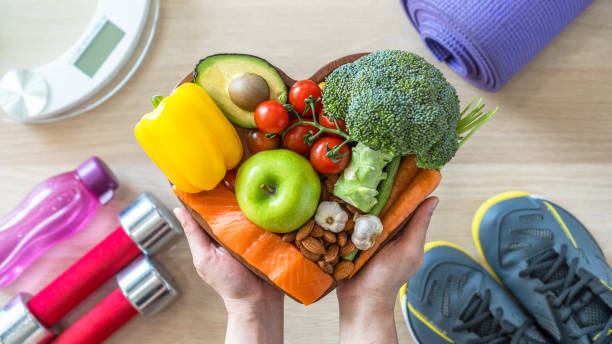
While generally safe, minimizing additive intake is possible. Prioritizing fresh, whole foods and cooking from scratch offers greater control over ingredients. This approach reduces exposure to potentially unnecessary additives.
Additives in Processed Foods
Processed foods (canned goods, frozen meals, snacks) typically contain higher additive levels than fresh foods. Maintaining a balanced diet incorporating a mix of fresh and minimally processed foods is crucial for overall well-being.
The Role of Preservatives in Food Preservation
Preservatives significantly extend food shelf life. By inhibiting the growth of bacteria, yeasts, and molds, they maintain food quality, safety, and prevent spoilage, enabling efficient food distribution and reducing waste.
Alternatives to Additives
Natural alternatives exist for those seeking to reduce additive consumption. Using natural herbs and spices for flavoring or selecting organic, additive-free products are effective options.
Balance and Moderation in Food Consumption
A balanced, moderate approach to food consumption is paramount. While additives are generally safe, excessive consumption of heavily processed foods may negatively impact long-term health. Focusing on a varied and nutritious diet is key.
Cultural Perspectives on Food Additives
Different cultures employ diverse preservation techniques. Asian cuisines often use natural preservatives like soy sauce or fermented products (kimchi), while Mediterranean cuisines utilize natural antioxidants found in olive oil and herbs. This demonstrates the adaptability and diversity in food preservation across global cultures.
The Future of Food Additives and Preservatives
The food industry continuously evolves, adapting to consumer demand for healthier, natural options. The future likely holds an increased focus on clean-label additives and innovative preservation techniques that prioritize both safety and consumer preferences.
Concluding Thoughts
Understanding food additives and preservatives empowers informed consumer choices. While widespread in the food industry, regulatory measures and safety protocols ensure their safe consumption. Striking a balance between convenience and fresh, minimally processed options, and being mindful of individual sensitivities, contribute to a healthier and more conscious approach to nutrition.
```


No comments yet. Be the first to share your thoughts!