
Navigating Borders: Diplomatic Pathways to Peace in South America
South America, a continent brimming with diverse cultures and a rich history, has faced its share of territorial disputes. These conflicts, often rooted in complex historical events, colonization, and the ensuing struggles for independence, have presented significant challenges to regional stability. However, recent diplomatic initiatives offer a beacon of hope, demonstrating the potential for peaceful resolution and enhanced cooperation among nations. This exploration delves into the lessons learned and the promising prospects for a future defined by unity and lasting peace across the South American continent.
Understanding the Historical Tapestry: Successfully addressing South America's territorial disputes demands a deep understanding of their historical context. Ignoring the intricate layers of past events will hinder the search for durable solutions. A thorough and nuanced appreciation of historical grievances and claims is paramount for establishing a foundation of mutual understanding and trust.
The Power of Dialogue and Negotiation: The most effective diplomatic efforts in South America emphasize the crucial role of open dialogue and constructive negotiation. Maintaining open communication channels between nations is essential for building trust and identifying common ground, laying the groundwork for peaceful resolutions. This necessitates a willingness from all parties to engage in good-faith discussions, prioritizing shared interests and a commitment to finding common solutions.
Learning from Success: Lessons from the Beagle Channel: The successful resolution of the Beagle Channel dispute between Chile and Argentina serves as a powerful example. Analysis of this and other successful diplomatic engagements provides invaluable insights into effective strategies and methodologies. Identifying the key factors that led to these successful outcomes can inform future negotiations and improve the likelihood of achieving peaceful settlements.
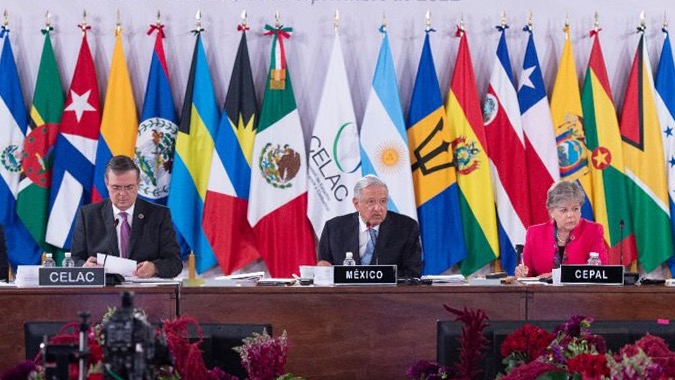
Harnessing the Strength of Regional Organizations: Regional organizations such as the Organization of American States (OAS) play a vital role in fostering dialogue and collaboration. Strengthening these organizations' capacity to mediate and facilitate discussions is critical to supporting diplomatic efforts and solidifying regional unity. Enhanced collaboration and coordination among these bodies can create a more effective framework for conflict resolution.
Mediation: A Vital Tool for Peace: Impartial mediation has proven invaluable in resolving territorial disputes. Regional leaders, acting as neutral facilitators, can assist nations in finding common ground, guiding them towards mutually acceptable compromises, and fostering collaborative problem-solving.
Addressing Root Causes: Beyond Territorial Lines: It's crucial to recognize that territorial disputes often mask deeper issues. Socioeconomic disparities and cross-border criminal activities can exacerbate tensions and hinder peaceful resolutions. Addressing these underlying factors is vital for achieving comprehensive and sustainable solutions that promote long-term stability.
The Guiding Principles of International Law: International law offers a framework for resolving territorial disputes fairly and equitably. Adherence to established legal principles and international treaties ensures legitimacy and transparency in diplomatic efforts, enhancing the likelihood of durable agreements that all parties can respect.
Building Bridges of Trust and Confidence: Successful diplomacy requires a conscious effort to build trust and confidence. Confidence-building measures, such as joint economic projects, cultural exchanges, and people-to-people initiatives, can help nurture positive relationships and reduce mutual suspicion.
The Importance of Inclusive Participation: Engaging Civil Society: Diplomatic processes should not be confined to government representatives alone. Engaging civil society organizations, academic institutions, and grassroots movements enriches the process with diverse perspectives, promotes a sense of shared ownership, and fosters broader support for peaceful solutions.
People-to-People Diplomacy: Breaking Down Barriers: Promoting cultural exchanges, educational programs, and tourism fosters understanding and empathy between communities. By breaking down stereotypes and fostering personal connections, people-to-people diplomacy can significantly contribute to building bridges and resolving conflict.
Economic Integration: A Catalyst for Cooperation: Initiatives promoting economic integration, such as the Union of South American Nations (UNASUR) or the Pacific Alliance, can serve as powerful catalysts for cooperation. By focusing on shared economic benefits, nations can find common ground, reduce tensions, and build a stronger foundation for peaceful coexistence.
Learning from Past Mistakes: The Path to Improvement: Analyzing past failures in diplomatic efforts is critical for identifying shortcomings and avoiding repeated mistakes. Understanding the reasons behind unsuccessful attempts allows for more informed and effective strategies in future negotiations.
Investing in Conflict Resolution Expertise: Diplomacy and conflict resolution are valuable skills that require dedicated development. Governments, civil society organizations, and individuals should invest in training and educational programs to enhance their capacity to address territorial disputes effectively. This investment in human capital is an investment in peace.
Cultivating a Culture of Peace: A Long-Term Vision: Promoting a culture of peace through education, media, and public awareness campaigns is essential for creating an environment conducive to peaceful conflict resolution. Emphasizing values such as tolerance, understanding, and dialogue is key to building a lasting peace.
Empowering the Next Generation: Engaging Youth in Peacebuilding: Investing in youth engagement is critical for the future. Involving young people in diplomatic efforts brings fresh perspectives, innovative ideas, and a renewed commitment to finding creative solutions to territorial disputes. They are, after all, the inheritors of a peaceful South America.
Conclusion: A Shared Future of Peace and Cooperation: Recent diplomatic efforts in South America offer substantial promise. By leveraging historical understanding, promoting open dialogue, harnessing the power of regional organizations, and incorporating inclusive participation, the continent can move towards a future defined by unity and lasting peace. Through collaborative effort and a shared commitment, the vision of a unified and peaceful South America can become a reality.



No comments yet. Be the first to share your thoughts!