
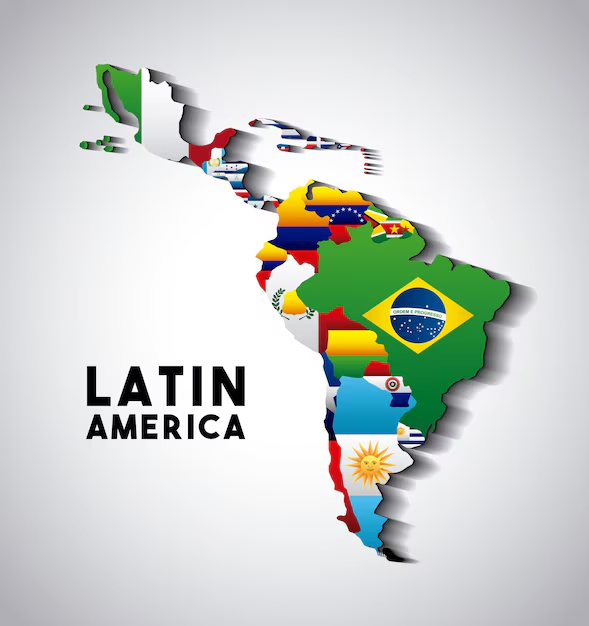
Urban Heat Islands in North American Cities: Impact and Mitigation Strategies
-
Introduction: Welcome to this informative article that sheds light on the contemporary issue of urban heat islands in North and South American cities. As cities continue to grow and expand, it is crucial to understand the impact of urban heat islands on our climate and environment.
-
Defining Urban Heat Islands: Urban heat islands refer to the phenomenon where cities experience higher temperatures compared to their surrounding rural areas. This temperature disparity is primarily caused by human activities such as asphalt and concrete infrastructure, lack of vegetation, and the release of heat from buildings and vehicles.
-
Impact on Climate and Environment: Urban heat islands have a significant impact on the climate and environment of North and South American cities. They contribute to increased energy consumption, air pollution, and the exacerbation of heat-related health issues.
-
Increased Energy Consumption: The excessive heat trapped within urban areas leads to higher energy demands for cooling buildings and homes during hot summer months. This increased energy consumption not only strains the power grid but also contributes to greenhouse gas emissions.
-
Air Pollution: Urban heat islands can intensify air pollution by trapping pollutants closer to the ground, leading to the formation of smog and poor air quality. This poses a threat to the respiratory health of inhabitants and contributes to the overall degradation of the environment.
-
Health Implications: The elevated temperatures within urban heat islands can have severe health consequences, particularly for vulnerable populations such as the elderly and those with pre-existing health conditions. Heat-related illnesses and even fatalities become more prevalent during heatwaves.
-
Mitigation Strategies: It is vital for North and South American cities to implement effective mitigation strategies to combat the adverse effects of urban heat islands. Here are some examples:
a. Increasing Green Spaces: The incorporation of green spaces, such as parks and rooftop gardens, can help mitigate urban heat islands by providing shade and evaporative cooling. These areas also promote biodiversity and enhance the overall aesthetics of the city.
b. Implementing Cool Roofing: Cool roofing materials, designed to reflect sunlight rather than absorb it, can significantly reduce the surface temperature of buildings. This reduces the heat island effect and lowers the need for excessive air conditioning.
c. Enhancing Urban Planning: Urban planners should prioritize the use of light-colored materials for roads and walkways, as they absorb less heat. Moreover, strategic positioning of buildings and structures can optimize shade and airflow, mitigating heat accumulation.
d. Promoting Sustainable Transportation: Encouraging the use of public transportation, biking, and walking helps reduce the number of vehicles on the road, which in turn decreases air pollution and the heat emitted by vehicles.
-
North and South America Unity: Addressing the issue of urban heat islands requires a unified effort from both North and South American cities. By sharing knowledge, experiences, and best practices, we can collectively find effective solutions and promote a sustainable future for all.
-
Promoting Awareness and Action: As individuals, we have the power to make a difference. Educating ourselves about the impact of urban heat islands and taking small steps, such as planting trees and advocating for sustainable policies, can contribute to mitigating this issue.
-
Developing Skills: To actively engage in addressing contemporary climate and environmental issues, it is crucial for individuals to develop skills and knowledge. This can be achieved through online courses, attending workshops, or joining local community initiatives.
-
Encouraging Discussion: We invite you to share your thoughts and experiences related to urban heat islands in North and South American cities. What strategies have you come across that effectively combat this issue? Let's start a conversation and learn from one another.
-
Share this Article: If you found this article informative and thought-provoking, we encourage you to share it with your friends, family, and colleagues. Together, we can raise awareness and inspire action to combat urban heat islands.
-
ClimateAction: Let's unite in taking action against urban heat islands and other climate-related challenges. Join the movement and make a positive impact on our environment.
-
SustainableCities: By implementing sustainable practices in our cities, we can create healthier, more livable environments for all. Let's work together towards building sustainable cities in North and South America.
-
Conclusion: As we continue to witness the adverse effects of urban heat islands, it is crucial to act now and implement effective mitigation strategies. By coming together as a community, sharing knowledge, and taking individual actions, we can create a brighter and more sustainable future for North and South American cities. Let's be the catalysts for change and inspire others to join us in combating climate and environmental challenges.


No comments yet. Be the first to share your thoughts!