
Miracles and Marian Shrines: A Theological and Sociological Analysis
This article examines the purported miracles associated with Marian shrines, exploring the interwoven sociological and theological frameworks that contribute to their enduring significance. We will define key concepts to establish a robust analytical foundation. A miracle, within this context, is defined as an extraordinary event attributed to divine intervention, defying established natural laws. A Marian shrine designates a sacred site associated with apparitions or significant events related to the Virgin Mary. Intercession refers to Mary's mediating role between humanity and God within Catholic theology. This analysis will draw upon relevant sociological theories, such as Durkheim's concept of collective effervescence, to understand the shared experience of faith at these sites, and psychological perspectives on the placebo effect and faith healing. Further, we will explore theological interpretations of Marian apparitions and their place within Catholic doctrine, employing a multi-disciplinary approach to comprehensively analyze this complex phenomenon.
The Sociological Dynamics of Marian Shrines
Marian shrines serve as potent centers of Catholic faith, attracting millions of pilgrims annually. Their persistent appeal can be effectively analyzed through Durkheim's theory of collective effervescence, which posits that shared religious experiences generate heightened emotional and social energy. The collective belief in Mary's intercession and the possibility of miracles fosters a powerful sense of community and shared purpose amongst pilgrims. This shared experience reinforces individual faith, creating a context conducive to reported miraculous healings and spiritual transformations. Empirical evidence, including numerous testimonials of healing and spiritual renewal at these shrines, supports this sociological interpretation. Furthermore, the well-documented psychological phenomenon of the placebo effect plays a significant role in perceived healings; the profound faith and expectation of healing can stimulate the body's inherent restorative mechanisms. This interaction between faith, social context, and physiological response demonstrates the complexity of understanding reported miracles.
Theological Interpretations and Marian Apparitions
Catholic doctrine provides a framework for understanding Marian apparitions and their purported miraculous effects. The belief in Mary's intercession is central to Catholic theology, positioning her as a powerful advocate mediating between humanity and God. This theological framework influences the experiences at Marian shrines, offering hope for healing and restoration to those suffering physically, emotionally, or spiritually. Reported conversions at these sites underscore the transformative power of faith, emphasizing Mary's pivotal role in individuals' spiritual journeys. The interpretation of Marian apparitions varies, with some emphasizing their literal truth and others focusing on their symbolic and spiritual significance. This theological diversity underscores the complexity of interpreting purported miracles within a religious framework.
Case Studies: Examining Specific Marian Shrines
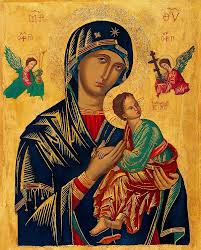
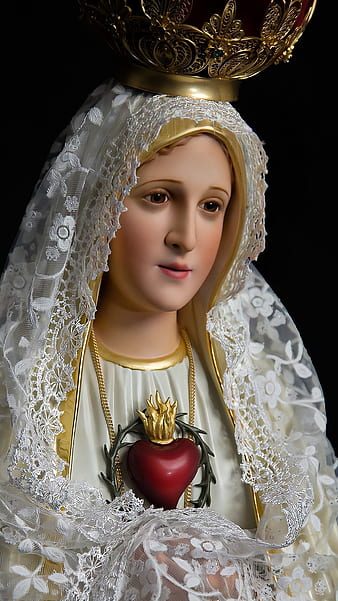
Several prominent Marian shrines illustrate these dynamics. Our Lady of Guadalupe in Mexico City, with its iconic image deeply embedded in Mexican national identity, attracts immense pilgrimage, highlighting the intersection of religious faith and cultural identity. Lourdes, France, with its reported miraculous healing waters, exemplifies the intertwining of faith, expectation, and potential psychosomatic effects, drawing millions seeking physical cures. Fatima, Portugal, with its reported "Miracle of the Sun," exemplifies the impact of mass witnessed events on faith and belief systems. Similar collective experiences are reported at Medjugorje, Bosnia and Herzegovina, with its ongoing apparitions, and Knock, Ireland, where the silent apparition offered comfort and solace. These diverse case studies reveal the transcultural appeal and multifaceted nature of Marian shrines.
The Role of Ritual and Devotional Practices
The recitation of the rosary, a cornerstone devotional practice at numerous Marian shrines, holds profound significance. This repetitive prayer fosters a meditative state, potentially contributing to spiritual experiences and feelings of peace and comfort. Furthermore, the Rosary of the Seven Sorrows allows individuals to connect their own struggles to Mary's suffering, finding solace in her strength. The fervent prayer and devotion at these sites are often considered to strengthen the potential for divine intervention, leading to reported miracles of healing and conversion. These ritualistic practices contribute to the overall spiritual atmosphere and social cohesion within the shrine community.
Pilgrimage as a Transformative Process
The act of pilgrimage itself represents a significant spiritual journey. The travel to a Marian shrine provides a period for introspection, prayer, and respite from daily life's stressors. This period of focused devotion can foster profound spiritual growth, deepening an individual's relationship with God and strengthening faith. The social interaction among fellow pilgrims further enhances the transformative impact of pilgrimage. This transformative power is not solely limited to religious experience, but also encompasses social and psychological benefits, such as enhanced social bonding and increased self-reflection.
Conclusions and Recommendations
The purported miracles associated with Marian shrines represent a complex interplay of faith, collective belief, psychological mechanisms, and theological interpretations. While scientific inquiry can provide explanations for some reported healings, the enduring power of these sites stems from their capacity to foster strong communities, shared experiences, and profound spiritual transformations. Future research employing mixed-methods approaches—combining quantitative analysis of reported healings with qualitative studies exploring pilgrims' subjective experiences—could offer a more comprehensive understanding of these multifaceted phenomena. Further investigation should also explore the cultural and socio-economic contexts that shape the popularity and perceived efficacy of Marian shrines in diverse settings.
This analysis indicates that the significance of Marian shrines extends beyond the literal interpretation of miracles. The spiritual and social benefits—strengthened faith, community bonding, and emotional healing—highlight their critical role in religious practice. These findings underscore the importance of continued theological reflection on Mary's role within the Church and ongoing interdisciplinary study of faith-based healing and community building. A broader perspective integrating theological, sociological, and psychological lenses is crucial for a complete understanding.
Reader Pool: Considering the intricate interplay of faith, psychology, and sociology within the context of Marian shrines, how might future research better integrate these disciplines to provide a more holistic understanding of the reported phenomena and their impact on individuals and communities?
```

No comments yet. Be the first to share your thoughts!