
Conquering Test Anxiety: A Multifaceted Approach to Academic Excellence
Test anxiety, a prevalent impediment to academic achievement, significantly impacts student performance. This comprehensive guide presents a multifaceted strategy, grounded in established psychological principles, to not only mitigate but also transform test anxiety into a catalyst for academic success. We will explore evidence-based techniques that empower students to thrive in high-stakes examination environments.
1. Strategic Preparation: Establishing a Foundation of Confidence through Cognitive Behavioral Techniques
The cornerstone of effective test anxiety management lies in proactive and strategic preparation. This aligns with the principles of Cognitive Behavioral Therapy (CBT), which emphasizes the interplay between thoughts, feelings, and behaviors. Instead of succumbing to the stress of last-minute cramming, a systematic approach is crucial. This involves task decomposition, breaking down large assignments into smaller, manageable components. This strategy prevents cognitive overload, a key contributor to anxiety, and facilitates focused learning, promoting mastery of individual concepts. Regular practice tests, mirroring the actual examination format, serve a dual purpose. They not only familiarize the student with the exam structure but also identify knowledge gaps, enabling targeted revision and the development of exam stamina. This approach leverages the principles of spaced repetition and interleaving, optimizing long-term retention and retrieval.
2. Optimized Learning Strategies: Enhancing Efficiency and Reducing Stress through Time Management and Self-Care
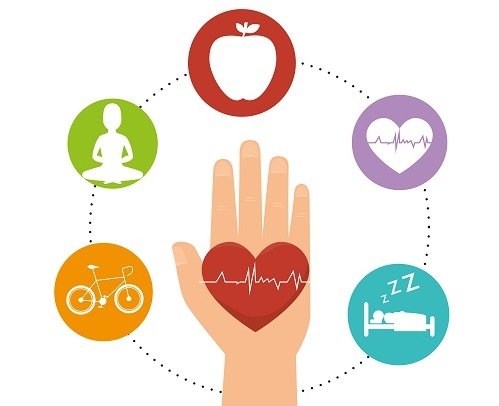
Effective time management is paramount in mitigating test anxiety. Implementing a structured study schedule, incorporating time-blocking techniques, ensures consistent progress and reduces the feeling of being overwhelmed. This strategy aligns with the principles of self-regulation and goal-setting theories. Furthermore, prioritizing self-care is crucial. Adequate sleep, a balanced diet, and regular physical activity are not merely lifestyle choices; they are fundamental components of cognitive function and emotional regulation. These practices enhance focus, concentration, and stress resilience. The incorporation of mindfulness techniques, such as deep breathing exercises (activating the parasympathetic nervous system), provides immediate stress reduction. This physiological response helps restore focus and emotional equilibrium during periods of heightened anxiety.
3. Cultivating a Positive Mindset: Harnessing the Power of Self-Efficacy and Social Support
Positive self-talk, a cornerstone of self-efficacy theory, plays a pivotal role in managing test anxiety. Replacing negative self-statements ("I'm going to fail") with positive affirmations ("I am well-prepared and capable of succeeding") reshapes cognitive appraisal, influencing emotional and behavioral responses. Visualization techniques, a component of mental imagery training, involve mentally rehearsing successful exam performance. This mental rehearsal builds self-assurance and reduces pre-exam jitters by promoting a sense of preparedness and mastery. Furthermore, seeking social support from peers, mentors, or educators provides emotional validation and practical advice, mitigating feelings of isolation and promoting resilience. Social support buffers the negative impact of stress, contributing to improved coping mechanisms and reduced anxiety levels.
4. Maintaining Holistic Well-being: Strategies for Sustainable Academic Success
Sustained academic success necessitates a holistic approach to well-being. Regular study breaks, incorporating techniques like the Pomodoro Technique, prevent burnout and maintain focus. Engaging in enjoyable activities, promoting restorative breaks, counteracts mental fatigue and stress. Avoiding social comparison, a principle rooted in self-compassion, is crucial for maintaining a positive self-image. Focus should remain on personal progress and achievements, rather than external benchmarks. A structured and organized study environment minimizes distractions, thereby optimizing concentration and learning efficiency. Goal-setting theory informs the recommendation of setting small, achievable goals, reinforced by self-rewards, fostering motivation and a sense of accomplishment.
5. Continuous Self-Assessment and Improvement: A Cyclical Process of Growth
Post-exam reflection, a key component of metacognitive learning, involves analyzing performance, identifying strengths and weaknesses. This self-assessment informs future study strategies, contributing to continuous improvement and enhanced performance. This iterative process aligns with the principles of growth mindset theory, emphasizing the malleability of abilities and the importance of learning from mistakes. The integration of these strategies empowers students to manage test anxiety effectively, enabling them to perform optimally during examinations. While a degree of nervousness is normal, preparedness and a positive mindset are instrumental in transforming anxiety into a manageable challenge, facilitating academic success.
Conclusions and Recommendations
This exploration of test anxiety management reveals that a multi-pronged approach, incorporating cognitive-behavioral techniques, optimized learning strategies, positive self-talk, holistic well-being practices, and continuous self-assessment, offers a robust framework for academic success. Future research could investigate the comparative effectiveness of different interventions, exploring the interaction between personality traits and response to these strategies. The findings of this study highlight the importance of integrating psychological principles into educational practices, fostering a supportive learning environment where students are empowered to overcome academic challenges and achieve their full potential. The applicability of these strategies extends beyond academic settings; the principles of self-regulation, stress management, and positive self-perception are crucial for overall well-being and success in various aspects of life.
Reader Pool: Considering the multifaceted approach outlined, what specific strategies resonate most with your personal learning style and how could these be further adapted to optimize individual learning outcomes?





No comments yet. Be the first to share your thoughts!