
Community Resilience in the Face of Climate Change: Adaptation Strategies in South America
Climate change, a multifaceted challenge encompassing environmental, social, and economic dimensions, presents a significant threat to global stability, with South America exhibiting heightened vulnerability. The escalating frequency and intensity of extreme weather events necessitate proactive measures to bolster community resilience. This article examines contemporary issues within community and social development in the Americas and proposes adaptation strategies based on established theoretical frameworks such as the Pressure-State-Response (PSR) model, the Social-Ecological Systems (SES) framework, and the Adaptive Capacity Framework. These models help understand the interplay between environmental pressures, societal responses, and the resilience of social-ecological systems. The PSR model illustrates the causal chain linking environmental pressures (e.g., rising sea levels), resulting states (e.g., coastal erosion), and societal responses (e.g., infrastructure adaptation). The SES framework emphasizes the intricate connections between human and natural systems, while the Adaptive Capacity Framework assesses a community's ability to adjust to changing conditions.
1. Comprehensive Climate Change Risk Assessment and Vulnerability Mapping: A foundational step involves a thorough risk assessment utilizing climate models and historical data to pinpoint areas of heightened vulnerability. This process identifies specific climate change impacts, such as droughts, floods, or heatwaves, and maps their potential effects on communities. This informed analysis facilitates targeted interventions based on location-specific needs.
2. Sustainable Infrastructure Development and Disaster Risk Reduction: Investing in resilient infrastructure is paramount. This entails constructing flood-resistant housing, implementing early warning systems, developing robust transportation networks, and creating green spaces to mitigate urban heat island effects. These measures align with the principles of disaster risk reduction, minimizing the impact of extreme weather events and enhancing community preparedness.
3. Strengthening Social Capital and Community Networks: Social capital—the networks of relationships among people who live and work in a particular society, enabling that society to function effectively—is a crucial determinant of community resilience. Promoting community engagement programs, supporting neighborhood associations, and fostering collaborative initiatives build social cohesion and enhance collective response capacity during crises. This approach utilizes principles of social network theory to strengthen support systems.
4. Empowering Communities Through Education and Awareness Campaigns: Education is a key catalyst for behavioral change. Providing accessible and accurate information on climate change impacts, mitigation strategies, and adaptation techniques empowers communities to become active agents of change. This aligns with the diffusion of innovation theory, which highlights the importance of effective communication in adopting new practices.
5. Promoting Sustainable Agricultural Practices: Agriculture is often profoundly impacted by climate change. Transitioning to sustainable farming techniques, including agroforestry, organic farming, and water-efficient irrigation methods, ensures food security while reducing the environmental footprint of agricultural production. This strategy is rooted in the principles of sustainable development, integrating economic, social, and environmental considerations.
6. Diversification of Local Economies and Investment in Green Industries: Climate change can severely disrupt local economies. Enhancing economic diversification by investing in climate-resilient industries (e.g., renewable energy, sustainable tourism) reduces vulnerability to climate-related shocks. This approach adheres to the principles of economic resilience, emphasizing adaptability and diversification.
7. Integration of Indigenous Knowledge and Traditional Practices: Indigenous communities possess invaluable traditional ecological knowledge (TEK) and adaptation strategies honed over generations. Integrating TEK into climate change adaptation strategies ensures culturally sensitive and contextually appropriate solutions. This respects the principles of environmental justice and acknowledges the significance of local expertise.
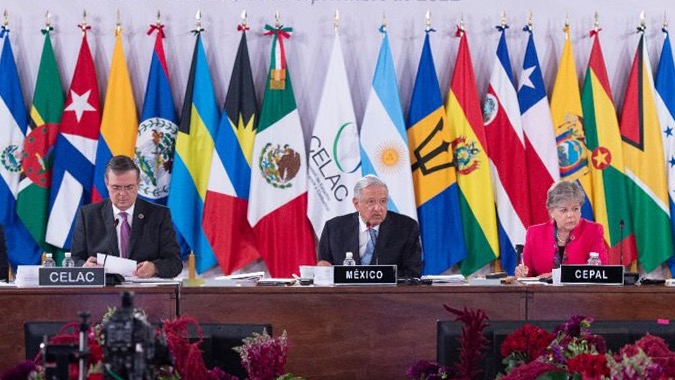
8. Fostering International Collaboration and Knowledge Sharing: Climate change transcends national boundaries, necessitating international collaboration. Sharing best practices, exchanging data, and coordinating adaptation efforts across nations can accelerate progress toward a global solution. This embodies the tenets of global cooperation and knowledge transfer.
9. Technological Innovation and Data-Driven Decision-Making: Technology plays a pivotal role in climate change adaptation. Utilizing climate modeling, remote sensing, and advanced monitoring systems improves prediction accuracy and facilitates data-driven decision-making. This aligns with principles of evidence-based policymaking.
10. Policy Advocacy and the Creation of Supportive Regulatory Frameworks: Effective policies are essential to drive adaptation efforts. Advocating for policies that prioritize sustainability, community well-being, and equitable resource allocation creates an enabling environment for successful adaptation. This involves applying principles of public policy and regulatory design.
11. Targeted Support for Vulnerable Populations: Climate change disproportionately impacts vulnerable populations. Prioritizing their needs through targeted interventions and ensuring equitable access to resources and opportunities promotes social justice and reduces inequality. This is crucial for achieving sustainable and equitable development.
Conclusions and Recommendations
Building community resilience to climate change requires a holistic, multi-sectoral approach. This analysis demonstrates that effective adaptation necessitates integrating scientific knowledge with traditional practices, strengthening social networks, and establishing robust governance structures. Recommendations include prioritizing comprehensive risk assessments, investing in resilient infrastructure, fostering community-based adaptation planning, and advocating for policies that support sustainable development and social equity. Further research should focus on developing innovative adaptation strategies, improving climate modeling capabilities, and investigating the long-term effectiveness of various adaptation interventions. The impact of these recommendations will be felt in increased community preparedness, reduced vulnerability to climate-related disasters, and improved quality of life, particularly for vulnerable populations. The widespread applicability of these strategies spans diverse geographical contexts and socio-economic settings, demonstrating their adaptability to varying environmental and social conditions.
Reader Pool: Considering the multifaceted nature of climate change and the diverse vulnerabilities of South American communities, how can we optimize the allocation of resources to achieve maximum impact in strengthening community resilience?


No comments yet. Be the first to share your thoughts!