
The United States of Africa: A Pan-African Vision for Cultural Preservation and Continental Unity
This article examines the multifaceted pathways toward a unified "United States of Africa," focusing on the interplay between cultural preservation and socio-political integration. Central to this analysis are the concepts of Pan-Africanism – an ideology promoting African solidarity and unity; political and economic liberalization – the transition towards free and fair governance and market-based economies; and institutional capacity building – strengthening governance for effective continental management. These concepts, grounded in theories of functionalism, modernization theory, and institutionalism, will be applied to analyze the feasibility and potential challenges of this ambitious project.
Building a Foundation for Pan-African Unity: The aspiration for a unified Africa stems from historical struggles for self-determination and a shared sense of identity and destiny. The legacy of figures like Kwame Nkrumah and Nelson Mandela continues to inspire this vision. Functionalist theory suggests that cooperation in specific areas, like trade and security, can lead to broader political integration. The European Union serves as a case study, illustrating the potential benefits of regional integration through shared goals, open communication, and collaborative mechanisms. The successful application of this model hinges on addressing existing historical grievances and fostering mutual trust amongst diverse nations.
Economic and Political Liberalization as Cornerstones of Unity: A unified Africa requires substantial economic and political liberalization. Economic liberalization, based on free trade and market efficiency, fosters growth and shared prosperity through comparative advantage, stimulating specialization and trade. Political liberalization, emphasizing democratic principles, human rights, and good governance, is equally crucial. This involves creating inclusive political systems that ensure representation and accountability, leading to enhanced stability and legitimacy. Modernization theory posits a mutually reinforcing relationship between economic development and democratic governance, suggesting that economic prosperity strengthens democratic institutions while stable political systems support economic growth. The application of this requires strategic policy interventions that account for the diverse socio-economic contexts across the continent.
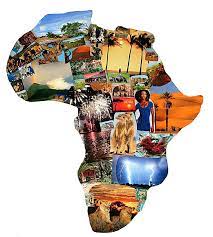
The Indispensable Role of Cultural Preservation: Preserving Africa's rich cultural heritage is not secondary to political and economic integration; it is fundamental. An African Cultural Heritage Agency, guided by UNESCO principles and cultural sustainability frameworks, is crucial for safeguarding traditions, languages, and customs. This agency would utilize cultural diplomacy to promote understanding and appreciation of diverse African cultures globally. Recognizing cultural diversity as a source of strength, rather than a barrier, necessitates the development and implementation of effective cultural preservation policies that respect local contexts while promoting continent-wide understanding and appreciation.
Strengthening Regional and Continental Institutions: A United States of Africa necessitates robust governance structures to ensure effective coordination, transparency, and accountability. This involves capacity building initiatives focused on institutional reform, human resource development, and enhanced governance capacity. Drawing from successful regional organizations, tailored strategies informed by institutionalist theory can address specific African challenges. This would include developing standardized legal frameworks and administrative procedures to ensure uniformity across different member states.
Leveraging Youth Engagement and Technological Advancements: The energy, innovation, and perspectives of African youth are critical. Empowering them through education, mentorship, and active participation in decision-making processes is essential. Leveraging technology, such as communication technologies and digital platforms, can facilitate collaboration, overcome geographical barriers, and reduce information asymmetry. The strategic application of technological diffusion principles can accelerate the integration process. This includes addressing the digital divide and ensuring equitable access to technology across all regions.
Addressing Challenges and Fostering Pan-African Solidarity: The path to a United States of Africa faces challenges including historical divisions, economic disparities, and political instability. However, Pan-Africanism, emphasizing solidarity and shared identity, can act as a unifying force. Successful navigation of these challenges requires sophisticated conflict resolution mechanisms and consensus-building processes capable of managing competing interests and fostering inclusivity.
Conclusions and Recommendations: The vision of a United States of Africa is complex but achievable. Success depends on a synergistic approach integrating economic and political liberalization, cultural preservation, and institutional capacity building. Youth engagement and strategic technology use are crucial. Further research should focus on developing policy frameworks and governance mechanisms that effectively manage a united African entity, addressing potential conflicts, and ensuring equitable resource distribution. A strategic approach, guided by Pan-African principles, is essential for fostering a stable, prosperous, and culturally rich United States of Africa. A phased approach, focusing initially on achievable regional cooperation before broader continental integration, may be more practical. A robust conflict resolution and mediation mechanism needs to be established as a key element of the structure to address emerging differences and disputes. Furthermore, mechanisms for equitable resource allocation across different regions and states must be carefully established.
Reader Pool: Considering the diverse perspectives and challenges inherent in unifying such a large and diverse continent, what strategic frameworks and governance structures would best support the formation of a stable and equitable United States of Africa?



No comments yet. Be the first to share your thoughts!