
Prioritizing Mental and Emotional Well-being: A Holistic Self-Care Framework
In today's fast-paced world, neglecting mental and emotional well-being is commonplace, yet detrimental to overall health. This article proposes a holistic self-care framework grounded in established psychological principles to cultivate a balanced and fulfilling life. We will explore key concepts such as self-compassion, encompassing self-kindness, common humanity, and mindfulness; mindfulness, defined as present moment awareness without judgment; and stress management, crucial for mitigating the negative impact of stressors on mental and emotional health. The following strategies provide a practical, evidence-based approach to enhance well-being.
- Establishing Healthy Boundaries and Assertiveness: Maintaining psychological well-being necessitates establishing clear boundaries. This involves strategically limiting commitments and interactions that negatively impact mental resources. Drawing on principles of assertive communication, individuals learn to express their needs and limits respectfully, avoiding feelings of resentment and overwhelm. This proactive boundary setting directly reduces stress levels by controlling environmental inputs. For example, politely declining additional tasks when workload is already high promotes autonomy and reduces stress, aligning with stress management theories emphasizing the importance of perceived control.
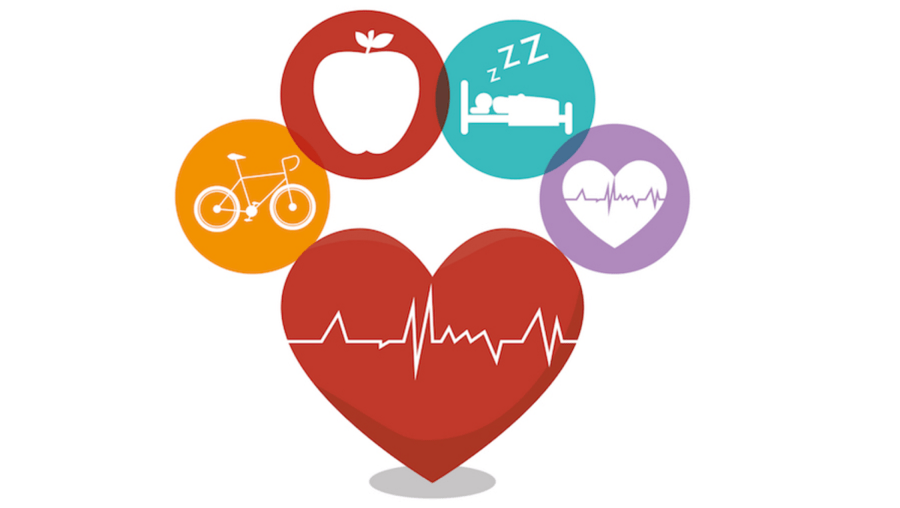
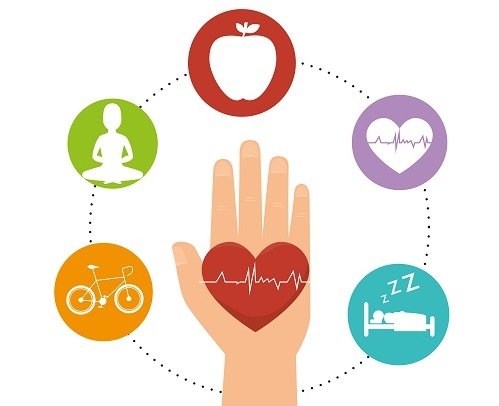
- Prioritizing Physical Health and Wellness: The mind-body connection is fundamental to overall well-being. A holistic approach integrates maintaining a balanced diet, consistent physical activity, sufficient sleep, and minimizing technology overuse. Regular exercise releases endorphins, impacting mood positively. Adequate sleep is crucial for cognitive function and emotional regulation, while a balanced diet provides necessary nutrients for brain health and mood stability. This approach aligns with the biopsychosocial model, emphasizing the interconnectedness of biological, psychological, and social factors in health and well-being.
- Cultivating Self-Compassion and Self-Care: Self-compassion, characterized by self-kindness, common humanity, and mindfulness, counteracts self-criticism and promotes self-worth. Engaging in enjoyable activities, hobbies, or spending time in nature helps regulate emotions and promotes overall well-being, mitigating the negative effects of chronic stress as explained by the General Adaptation Syndrome. Scheduling regular self-care activities, such as yoga or pursuing hobbies, reduces stress and enhances emotional resilience.
- Goal Setting, Achievement, and Self-Reflection: Setting SMART (Specific, Measurable, Achievable, Relevant, and Time-bound) goals fosters self-efficacy and accomplishment, aligning with goal-setting theory. Regular self-reflection, facilitated through methods like journaling, enhances self-awareness, promoting personal growth and enabling course correction. Celebrating achievements, regardless of size, reinforces positive self-perception and motivates continued progress.
- Practicing Mindfulness and Stress Management Techniques: Mindfulness-Based Interventions (MBIs), such as meditation, effectively reduce stress, improve emotional regulation, and increase self-awareness. Mindfulness cultivates present moment awareness without judgment, reducing reactivity to stressors. Combining mindfulness with techniques like deep breathing exercises, yoga, or nature immersion amplifies its benefits, reducing stress hormones and promoting relaxation response.
- Nurturing Social Connections and Support Networks: Strong social support is vital for mental health. Social support theory posits that supportive relationships enhance stress coping and psychological well-being. Actively engaging in positive relationships provides a sense of belonging, facilitates emotional regulation, and offers mutual support. This can involve joining social groups, spending quality time with loved ones, or seeking mentorship. Social connection counteracts feelings of isolation and promotes emotional resilience.
- Practicing Gratitude and Positive Psychology Principles: Regularly reflecting on positive life aspects cultivates gratitude, a cornerstone of positive psychology. This approach emphasizes fostering positive emotions, strengths, and virtues. Gratitude journaling, expressing appreciation, or simply acknowledging positive experiences shifts perspective and promotes a positive outlook, reducing negative emotions and enhancing overall life satisfaction.
- Seeking Professional Support When Necessary: Recognizing the need for professional help is crucial. For persistent sadness, anxiety, or other mental health challenges, seeking support from mental health professionals is essential. Therapy and evidence-based interventions provide guidance, support, and coping mechanisms. This proactive approach prioritizes long-term well-being and demonstrates self-care. This aligns with the principles of seeking professional help when self-management strategies prove insufficient.
Conclusions and Recommendations:
Prioritizing mental and emotional well-being is a continuous process demanding consistent effort. The integrated framework presented combines psychological principles with practical techniques for holistic self-care. Consistent application of these strategies enhances resilience, emotional regulation, and overall well-being. Future research could explore personalized interventions, investigating long-term impacts across diverse populations. This research could employ mixed-methods approaches, integrating quantitative measures of well-being with qualitative data exploring individual experiences to provide a comprehensive understanding of the effectiveness of these self-care strategies. Longitudinal studies are particularly valuable for understanding the long-term effects of these practices.
Reader Pool: How can we effectively integrate these self-care strategies into existing healthcare systems to improve accessibility and efficacy for diverse populations, considering socioeconomic factors and cultural contexts?

No comments yet. Be the first to share your thoughts!