
Cultivating Gratitude and Positive Psychology: Fifteen Strategies for Enhanced Well-being
In contemporary society, characterized by its fast-paced and often stressful nature, negative emotions can readily overshadow the positive aspects of life. However, the cultivation of gratitude and the adoption of a positive mindset offer a robust countermeasure, fundamentally altering one's outlook and fostering a more fulfilling existence. This article explores fifteen practical strategies grounded in established psychological principles to facilitate the embrace of gratitude and the nurturing of a positive perspective, enhancing overall well-being. We will explore concepts such as positive psychology, self-determination theory, and the broaden-and-build theory to illustrate the mechanisms behind these strategies.
1. Morning Gratitude Ritual: Initiate each day by documenting three aspects for which you feel grateful in a journal. This simple act, supported by the principles of positive psychology, sets a positive emotional tone, influencing subsequent experiences throughout the day. This practice primes the cognitive system towards optimism, thereby increasing resilience to stressors (Seligman, 2011).
2. Mindfulness and Present Moment Awareness: Employ mindfulness techniques to fully engage with the present moment. This practice, rooted in mindfulness-based stress reduction, redirects attention from future anxieties and past regrets to the present experience. Appreciating sensory details—the warmth of sunlight, sounds of nature—shifts cognitive focus, promoting gratitude and reducing stress through the regulation of attention (Kabat-Zinn, 1990).
3. Strategic Social Support: Cultivate relationships with individuals who exhibit positive and supportive behaviors. Social support, a cornerstone of well-being, significantly impacts emotional regulation and resilience. The principles of self-determination theory highlight the importance of choosing supportive relationships that foster autonomy, competence, and relatedness, leading to improved mental health (Deci & Ryan, 2000).
4. Expressing Appreciation: Demonstrate genuine gratitude towards those who positively influence your life. Expressing appreciation, whether through handwritten notes, verbal affirmations, or small gestures, strengthens relationships. This reciprocal act enhances social bonding and reinforces positive emotions for both the giver and receiver, aligning with the principles of social exchange theory.
5. Growth Mindset and Reframing Challenges: Approach challenges as opportunities for growth and learning rather than setbacks. This cognitive reframing, central to a growth mindset, promotes resilience and adaptability. Obstacles are viewed as stepping stones towards personal development, fostering a more positive and proactive approach to life's difficulties (Dweck, 2006).
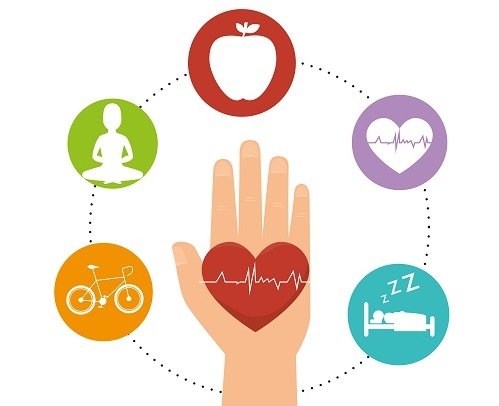
6. Prioritizing Self-Care: Engage in self-care activities that promote physical and emotional well-being. This might involve physical exercise, meditation, spending time in nature, or pursuing hobbies. Self-care acts as a buffer against stress, thereby indirectly promoting a positive emotional state, supporting the concept of stress management and resource conservation.
7. The Gratitude Journal: Record moments of gratitude throughout the day on small slips of paper, stored in a designated container. Reviewing these notes during periods of low mood provides a tangible reminder of life's positive aspects, boosting emotional regulation. This method provides a readily available source of positive reinforcement.
8. Prosocial Behavior and its Benefits: Engage in acts of kindness towards others. The broaden-and-build theory postulates that positive emotions broaden cognitive resources and build personal resources, fostering resilience and social connections. Acts of kindness contribute to both personal fulfillment and positive social impact (Fredrickson, 2001).
9. Cognitive Restructuring: Train your mind to identify the positive aspects in challenging situations. This cognitive restructuring technique involves deliberately shifting focus away from negative thoughts toward more positive interpretations. This actively improves resilience and problem-solving abilities.
10. Positive Affirmations and Self-Efficacy: Utilize positive affirmations and self-encouragement to strengthen self-worth. Repeated positive self-statements enhance self-efficacy and foster a more optimistic outlook, impacting self-perception and behavior (Bandura, 1997).
11. Physical Activity and Endorphin Release: Regular physical activity increases endorphin production, naturally enhancing mood and fostering a positive mindset. Endorphins serve as natural mood elevators, contributing to overall well-being.
12. Volunteerism and Altruism: Engage in volunteer work to contribute to the community. Acts of altruism, beyond personal gain, generate a profound sense of purpose and gratitude. This increases empathy and appreciation for one's own life, potentially aligning with theories of meaning-making and life satisfaction.
13. Finding Gratitude in Adversity: Even during challenging times, actively search for lessons learned and unexpected positive outcomes. This practice fosters resilience and promotes adaptive coping mechanisms, highlighting the transformative power of reframing difficult experiences.
14. Reducing Exposure to Negativity: Minimize exposure to negative information sources and negative social interactions. This proactive measure protects mental well-being and allows a positive mindset to flourish, underscoring the importance of environmental influence on emotional state.
15. Celebrating Achievements: Acknowledge and celebrate accomplishments, regardless of size. Recognizing achievements, however small, reinforces positive self-perception and promotes motivation. This aligns with the principles of self-reinforcement and goal attainment.
Conclusions and Recommendations: By consistently integrating these strategies, individuals can cultivate a lasting habit of gratitude and foster a positive mindset that significantly enhances overall well-being. Further research could explore the long-term effects of these practices on various aspects of mental and physical health. The practical applicability of these techniques is broad, extending to various populations and contexts. Future studies could focus on tailoring these strategies to specific demographics and incorporating them into preventative health programs. The integration of these approaches within educational and workplace settings could contribute substantially to enhanced individual and organizational well-being. The findings from such research would have profound implications for fostering a more positive and resilient society.
Reader Pool: To what extent do you believe the implementation of these gratitude practices could impact workplace productivity and overall employee satisfaction?




No comments yet. Be the first to share your thoughts!