
Navigating Depression: A Holistic Approach to Recovery and Well-being
Depression, a prevalent mood disorder affecting individuals across diverse demographics, demands a comprehensive and multifaceted treatment strategy for effective recovery and sustained well-being. This guide outlines fifteen evidence-based approaches, grounded in psychological and medical principles, designed to manage and mitigate depressive symptoms. It's crucial to understand that seeking professional help is a testament to strength and resilience, and recovery is an achievable journey with consistent effort and appropriate support. This journey is best understood through the lens of the biopsychosocial model, acknowledging the intricate interplay between biological factors (neurochemistry, genetics), psychological factors (cognitive patterns, emotional regulation), and social factors (relationships, environment) in the etiology and treatment of depression.
1. Comprehensive Assessment and Diagnosis: The initial step involves a thorough assessment of symptoms using standardized diagnostic criteria, such as those provided by the DSM-5 or ICD-11. This process, informed by principles of clinical psychology and psychometrics, facilitates accurate diagnosis and guides the selection of appropriate interventions. Early and accurate diagnosis is crucial for maximizing treatment efficacy, emphasizing the importance of timely intervention in mitigating the course and severity of depressive episodes.
2. Leveraging the Therapeutic Alliance: Evidence-Based Interventions: Collaboration with a qualified mental health professional (psychiatrist, psychologist, or clinical social worker) is paramount. Therapeutic approaches, such as Cognitive Behavioral Therapy (CBT), which targets maladaptive thought patterns and behaviors, and interpersonal therapy, which focuses on improving relationships, are evidence-based interventions shown to be effective in managing depression. The therapeutic alliance, characterized by trust, empathy, and collaboration between the therapist and patient, is a critical factor influencing treatment success.
3. Pharmacological Management: Addressing Neurochemical Imbalances: For individuals experiencing severe or treatment-resistant depression, medication may be necessary. Antidepressant medications, prescribed by a psychiatrist, work by modulating neurotransmitter systems implicated in mood regulation, such as serotonin and norepinephrine. The selection of medication considers individual factors, including the specific subtype of depression, comorbid conditions, and potential drug interactions. The medication choice should align with the principles of pharmacotherapy and be closely monitored for efficacy and side effects.
4. Harnessing Social Support: The Power of Connection and Social Support Theory: Building and nurturing strong social connections is vital. Social support theory highlights the crucial role of social bonds in mitigating stress and promoting psychological well-being. Actively engaging with supportive individuals (family, friends, support groups) creates a sense of belonging and reduces feelings of isolation – key factors in successful recovery.
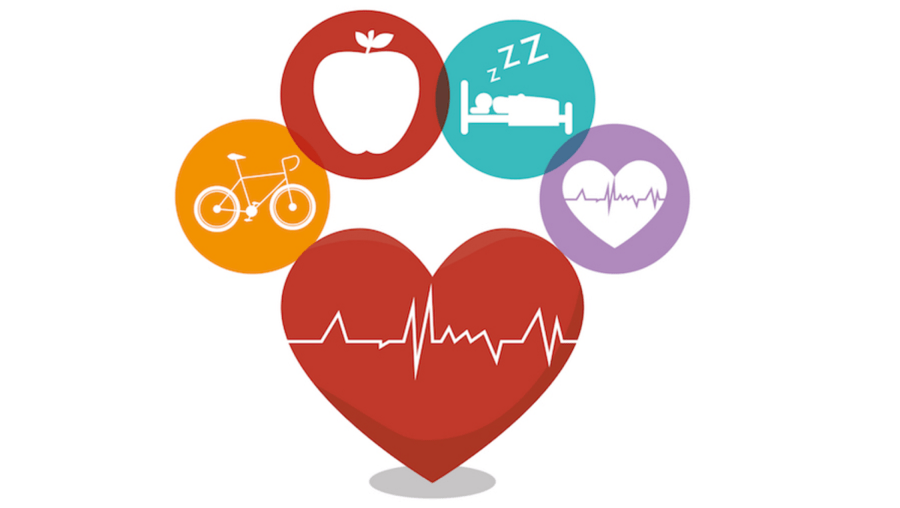
5. Prioritizing Holistic Self-Care: A Biopsychosocial Approach: A comprehensive self-care regimen incorporating regular physical activity, balanced nutrition, adequate sleep, and stress-reduction techniques is crucial. The biopsychosocial model underscores the interconnectedness of physical and mental health. Regular exercise, for instance, stimulates endorphin release, improving mood and reducing stress. These practices are also in line with principles of lifestyle medicine, emphasizing preventative and proactive health management.
6. Group Therapy and Peer Support: Shared Experience and Collective Resilience: Participating in group therapy or peer support groups provides a sense of community and shared experience. Group dynamics and social identity theory explain the positive effects of shared struggles and mutual support in reducing feelings of isolation and stigma. This environment facilitates the development of coping mechanisms and enhances resilience through observation and interaction with others.
7. Health Literacy and Empowerment: Informed Decision-Making: Understanding depression, including its causes, symptoms, and treatment options, is empowering. Health literacy, the ability to access, understand, and apply health information, promotes active participation in care and improves treatment adherence. This approach enables individuals to make informed decisions in partnership with healthcare providers.
8. Cultivating a Supportive Environment: Attachment Theory and Secure Relationships: Surrounding oneself with empathy, understanding, and unconditional positive regard is crucial. Attachment theory suggests that secure attachments provide emotional regulation and resilience during challenging times. This fosters a sense of security and facilitates emotional processing.
9. Goal Setting and Achievement: SMART Goals and Self-Efficacy: Implementing a SMART goal-setting approach (Specific, Measurable, Achievable, Relevant, Time-bound) builds self-efficacy. Breaking down large goals into smaller, manageable steps fosters a sense of accomplishment, boosting self-esteem and reinforcing positive self-perception.
10. Self-Compassion and Acceptance: Mindfulness and Self-Kindness: Practicing self-compassion, encompassing self-kindness, common humanity, and mindfulness, is essential for navigating emotional distress. Self-compassion theory suggests that self-criticism exacerbates negative emotions, whereas self-kindness promotes healing and recovery.
11. Personalized Treatment Planning: Collaborative Care and Person-Centered Approaches: A collaborative approach to developing a personalized treatment plan is crucial. This involves shared decision-making between the individual and their healthcare team, maximizing the effectiveness of the plan and promoting adherence through active participation.
12. Maintaining Social Connections: Combating Isolation and Loneliness: Actively engaging in social activities combats isolation and promotes a sense of belonging, improving mood and overall well-being. This aligns with social connection theory which illustrates the significant correlation between social support and mental health.
13. Mindfulness Techniques: Emotional Regulation and Present Moment Awareness: Mindfulness-based techniques, such as meditation and deep breathing, help regulate emotions and enhance present moment awareness. Mindfulness-based stress reduction (MBSR) principles highlight its effectiveness in managing stress and improving emotional regulation.
14. Exploring Complementary Therapies: Integrating Alternative Approaches: Exploring complementary therapies like art or music therapy can provide additional support. Expressive therapies facilitate emotional processing and self-discovery, offering alternative avenues for self-expression and stress management.
15. Integrating Self-Care into Daily Life: Sustainable Well-being: Incorporating self-care into daily routines sustains long-term mental well-being. This includes engaging in enjoyable activities, setting boundaries, and prioritizing personal needs—principles emphasized in lifestyle medicine approaches.
Conclusions and Recommendations: Effective depression management requires a holistic approach integrating evidence-based therapies, pharmacotherapy (when indicated), and a robust self-care regimen. Strong social support and active engagement in treatment are critical for success. Future research should explore technology-based interventions to improve treatment accessibility and engagement, tailoring approaches to diverse populations’ needs. A combined approach using CBT, interpersonal therapy, and mindfulness-based techniques offers a potentially more effective and sustainable recovery path. Emphasizing long-term management and relapse prevention strategies, including ongoing support and maintenance therapies, is crucial for sustained well-being.
Reader Pool: Considering the multifaceted nature of depression treatment, how can we best optimize the integration of various therapeutic modalities to achieve and maintain long-term remission, while considering factors such as individual preferences, access to resources, and cultural contexts?




No comments yet. Be the first to share your thoughts!