
Peace and Prosperity in Africa: A Pan-African Integration Framework
This article examines the pivotal role of Pan-African integration in achieving peace and prosperity across the African continent. We will define key concepts: Pan-Africanism, an ideology advocating for the political and economic unification of African nations and peoples; regional integration, the process of enhancing cooperation among nations within a geographical area; and socio-economic development, encompassing improvements in living standards, economic growth, social progress, and environmental sustainability. We analyze the interplay of these concepts in fostering sustainable peace and development, utilizing relevant theoretical frameworks to ground our analysis in established academic thought.
The pursuit of peace and prosperity demands a paradigm shift towards robust regional integration. The European Union serves as a compelling case study, illustrating the transformative potential of collaborative efforts in mitigating internal conflicts and stimulating economic growth. Neofunctionalism, a theory suggesting that sector-specific cooperation (e.g., trade) fosters interdependence and broader integration, offers a valuable lens through which to analyze the EU's success. Applying this to Africa, prioritizing collaborative projects in trade, infrastructure, and resource management could catalyze Pan-African integration. This approach aligns with the principles of functionalism, where cooperation in technical areas leads to spillover effects in other domains, ultimately fostering deeper integration and shared goals. This incremental approach could prove more effective than attempting complete integration at once.
A unified Africa offers considerable advantages. A continent-wide approach to resource allocation can address inequitable distribution, a significant driver of conflict and underdevelopment. Dependency theory, which highlights global economic disparities stemming from unequal power dynamics, provides a framework for understanding this challenge. A unified Africa could challenge these dynamics by establishing fairer internal resource distribution mechanisms. This approach could involve regional resource pools managed collaboratively, reducing dependence on external actors and promoting self-sufficiency. Furthermore, enhanced collective bargaining power in international trade and investment attraction would stimulate economic growth and create widespread opportunities.
Realizing this vision requires a collective commitment to unity among African nations, embodying the principles of collective action. Rwanda's post-conflict reconciliation serves as a powerful example, demonstrating the transformative potential of national unity and shared development in achieving peace and prosperity. Social capital theory emphasizes the importance of trust, cooperation, and shared norms in building resilient societies. Mimicking Rwanda’s success requires a similar focus on rebuilding social cohesion and fostering mutual trust among different groups within each nation, and across the continent.
The African Union (AU) is a crucial platform for facilitating Pan-African integration, providing institutional mechanisms for collaborative decision-making. However, the AU’s effectiveness depends on the active participation and commitment of member states. Strengthening the AU necessitates a rigorous assessment of its governance structure, operational efficiency, and financial sustainability. Public choice theory, which acknowledges that individual self-interest influences collective decision-making, provides a framework for designing effective governance structures and incentives to ensure accountability and transparency within the AU. This could involve reforms to enhance transparency and reduce corruption within the AU's institutions.
Solidarity among African nations is critical, encompassing mutual support during crises, shared celebrations, and unified responses to external threats. International relations theory emphasizes the role of interstate cooperation in achieving shared security and prosperity. Strengthened regional security cooperation, including joint military exercises and intelligence sharing, could significantly improve continental security and reduce the risk of internal and external conflicts. This could involve creating a regional peacekeeping force and strengthening intelligence-sharing mechanisms across the continent.
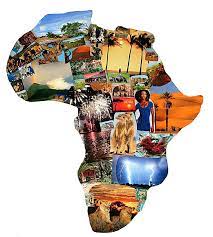
Africa's rich cultural diversity should be viewed as a strength, not a source of division. Multiculturalism, promoting mutual respect and understanding among diverse cultural groups, offers a valuable framework for leveraging this diversity. Integrating cultural richness into economic development and branding strategies (e.g., cultural tourism) can drive economic diversification and create new opportunities. This could involve creating national and regional branding strategies that highlight the unique cultural assets of different African countries.
The benefits of Pan-African integration extend globally. A unified and prosperous Africa will be a powerful global actor, influencing international policies and driving sustainable development. This enhanced global influence is crucial for promoting fairer global trade practices and attracting investment to support Africa's development agenda. This stronger global presence would enable Africa to negotiate more favorable trade deals and attract greater foreign direct investment.
Obstacles to Pan-African unity remain. Further research into the political economy of African integration is crucial, examining the interplay of national interests, regional power dynamics, and global influences. This research should inform strategies that address challenges and strengthen the path towards a unified, peaceful, and prosperous Africa. This research could focus on specific case studies of successful and unsuccessful regional integration efforts to identify key success factors.
Conclusions and Recommendations
Pan-African integration holds immense potential for peace and prosperity. Applying theoretical frameworks reveals the interconnectedness of socio-economic development, political stability, and regional cooperation. Strategic interventions focusing on strengthening the AU's institutional capacity, ensuring equitable resource distribution, fostering regional security cooperation, and celebrating cultural diversity are essential. Rigorous research exploring the political and economic dynamics of the integration process is vital for developing effective policies. These efforts will contribute to both economic growth and global stability.
Future research should include comparative case studies of successful and unsuccessful regional integration initiatives, quantitatively analyzing the economic impact of Pan-African integration through various scenarios and models. Qualitative research exploring the lived experiences and perceptions of individuals and communities regarding Pan-Africanism is also crucial. These research efforts will provide critical insights for shaping more effective integration strategies, including potential policy interventions and institutional reforms.
Reader Pool: How can the inherent complexities of diverse national interests within Africa be effectively addressed to build a cohesive and mutually beneficial Pan-African integration framework?

No comments yet. Be the first to share your thoughts!