
Navigating Workplace Stress: A Holistic Approach to Career and Well-being
Introduction: Work-related stress, a pervasive contemporary challenge, significantly impacts individual well-being. This article explores effective strategies for mitigating workplace stress and fostering a balanced relationship between career aspirations and personal health. We will examine several key concepts including time management, boundary setting, and stress management techniques within the framework of job demands-resources (JD-R) model and self-determination theory (SDT). The JD-R model posits that job demands (e.g., workload, time pressure) and job resources (e.g., social support, autonomy) interact to influence employee well-being. SDT suggests that individuals thrive when their basic psychological needs for autonomy, competence, and relatedness are met. Applying these models, we can develop a comprehensive approach to stress management.
Strategic Time Management and Prioritization: Effective time management is foundational to stress reduction. Employing techniques like the Eisenhower Matrix (urgent/important), time blocking, and the Pomodoro Technique allows for efficient task completion and prevents work overload, thereby directly addressing the 'job demands' aspect of the JD-R model. Prioritizing tasks based on their impact and urgency minimizes feelings of being overwhelmed. This aligns with SDT's emphasis on fostering a sense of competence by achieving meaningful goals.
Cultivating Effective Communication and Collaboration: Open and assertive communication is vital for managing workload and fostering a supportive work environment. Clearly articulating needs and boundaries, and proactively seeking assistance when necessary, reduces the strain of excessive responsibilities. This strengthens the 'job resources' dimension in the JD-R model by promoting social support and reducing feelings of isolation, and fulfills the relatedness aspect of SDT.
Establishing Healthy Work-Life Boundaries: Maintaining a clear separation between professional and personal life is crucial. Setting defined work hours, actively disconnecting after work, and utilizing communication tools strategically creates psychological distance, enabling restoration and preventing burnout. This addresses both the demands and resources within the JD-R model, mitigating stress from work spillover and fostering a sense of autonomy as per SDT.
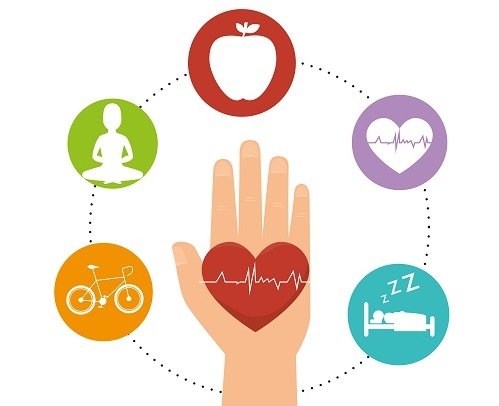
Proactive Self-Care Strategies: Prioritizing self-care is paramount for resilience. This encompasses regular physical activity (promoting endorphin release and reducing stress hormones), mindfulness practices (enhancing self-awareness and emotional regulation), and engaging in enjoyable leisure activities (fostering relaxation and replenishment). These strategies support the satisfaction of SDT's need for autonomy through personal agency and the need for competence through self-mastery.
Leveraging Social Support and Mentorship: Building strong relationships with colleagues, friends, and family provides crucial emotional support and a sense of belonging. Seeking mentorship or guidance from experienced individuals can offer valuable perspective and coping strategies. This enhances the job resources aspect of the JD-R model, facilitating problem-solving and stress management and significantly supporting SDT's relatedness aspect.
Goal Setting and Achievement: Setting realistic and achievable goals, breaking down large tasks into smaller steps, and celebrating milestones foster a sense of accomplishment and prevent burnout. This directly addresses the competence need within SDT. Regularly reviewing and adjusting goals allows for adaptive responses to changing circumstances and maintains a sense of control, critical for mitigating stress.
Seeking Professional Assistance: When stress becomes unmanageable, seeking professional help from a therapist or counselor is essential. These professionals provide evidence-based interventions, coping mechanisms, and support systems tailored to individual needs, often addressing underlying issues that contribute to workplace stress. This is a critical intervention strategy when self-management techniques prove inadequate.
Conclusion and Recommendations: Successfully managing workplace stress and maintaining a healthy work-life balance requires a holistic approach integrating time management, boundary setting, self-care, and effective communication. The JD-R model highlights the interactive role of job demands and resources in influencing well-being, while SDT underscores the importance of fulfilling basic psychological needs. Applying these models, we can develop personalized strategies tailored to individual needs and circumstances. Further research could explore the effectiveness of specific interventions across diverse occupational settings and explore the longitudinal impacts of stress management techniques on career longevity and overall well-being.
Reader Pool: How might organizational policies and practices be redesigned to better support employee well-being and reduce workplace stress, thereby improving overall productivity and job satisfaction?
```
No comments yet. Be the first to share your thoughts!